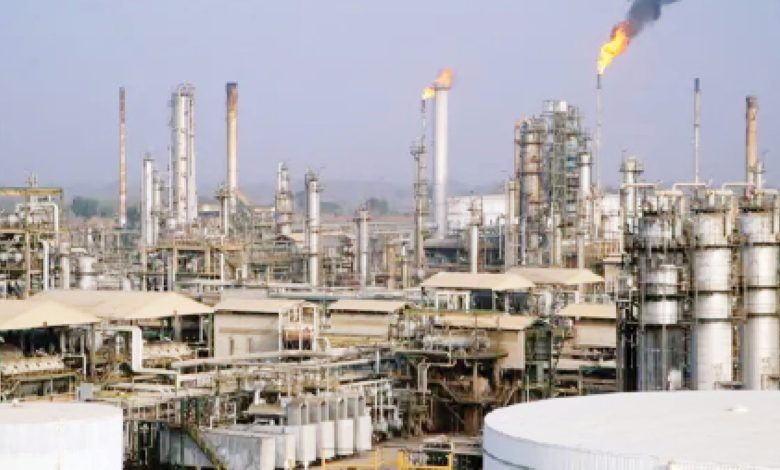
Nigeria’s refining industry is set for another major expansion, with seven modular refineries expected to come on stream next year, as rising domestic production reshapes the country’s petroleum market and reduces reliance on imported fuel……
Nigeria’s modular refining sector is expected to witness significant growth in 2027, with seven new facilities projected to commence operations and contribute a combined capacity of 83,000 barrels per day.
The projection was disclosed by George Maher-Bonnett of Argus Media on Wednesday during a presentation at the OTL Africa Downstream conference in Lagos.
Speaking on the changing dynamics of Africa’s energy market, Maher-Bonnett explained that Nigeria had four operational modular refineries as of September, with a combined installed capacity of 32,000 barrels per day.
“Four modular refineries operating in September, total 32,000 b/d capacity,” he said.
He further disclosed that seven additional facilities were expected to begin operations next year, significantly increasing the country’s modular refining capacity.
“Seven new modular refineries to start next year“ with a total of 83,000 barrels per capacity.
The anticipated development could substantially strengthen Nigeria’s domestic refining industry, as the proposed facilities alone are expected to deliver more than twice the combined capacity of the four modular refineries currently in operation.
However, details of the seven projects, including their ownership, locations, individual refining capacities and expected commissioning dates, were not provided during the presentation.
The development comes as Nigeria’s petroleum industry experiences a major shift, with increased local refining activity gradually changing the country’s dependence on imported petroleum products.
Maher-Bonnett also highlighted the growing impact of the Dangote Petroleum Refinery on Nigeria’s quest for self-sufficiency, noting that its increasing production capacity was helping to strengthen domestic supply.
Despite the improvement in local refining activities, he observed that Nigeria’s fuel consumption had declined this year, largely due to rising pump prices.
“Nigerian fuels demand is down this year,” the presentation stated, attributing the development to “higher flat prices.”
He added that the country’s progress towards self-sufficiency was improving as the Dangote refinery continued to increase production, while modular refineries were also expected to make greater contributions to the market.
On government interventions in the petroleum sector, the presentation noted that the only measure recorded during the period under review was a price reduction by the Nigerian National Petroleum Company Limited.
“No government interventions, besides NNPC price cut this month,” it stated.
Meanwhile, the growing output from the Dangote refinery is also having implications for international petroleum products trade, particularly shipments from Europe into West Africa.
Maher-Bonnett noted that the 700,000-barrel-per-day facility in Lekki, Lagos, was operating at a high rate, with its petrol production remaining steady.
“Dangote’s 700,000 bpd Lekki refinery is running hard, gasoline output is steady,” the presentation stated.
The development has reduced the attractiveness of importing certain petroleum products from Europe into West Africa, as increased domestic supply begins to alter traditional trading patterns.
Beyond Nigeria, the presentation identified Ghana as another country making progress in expanding its refining capacity.
It noted that the 45,000-barrel-per-day Tema refinery was increasing production, a development expected to improve Ghana’s ability to meet its domestic petroleum products requirements.
Maher-Bonnett also pointed to weakening economics in the international petroleum products trade, particularly on shipping routes connecting Europe to West Africa and the United States.
According to the presentation, higher freight costs have further undermined the competitiveness of these routes, adding another layer of pressure to international petroleum products trading as local refineries across Africa increase production.