A possible diplomatic breakthrough is emerging in the Middle East, as Iran puts forward a seven-day roadmap aimed at ending its war with the United States and reopening the strategically vital Strait of Hormuz.
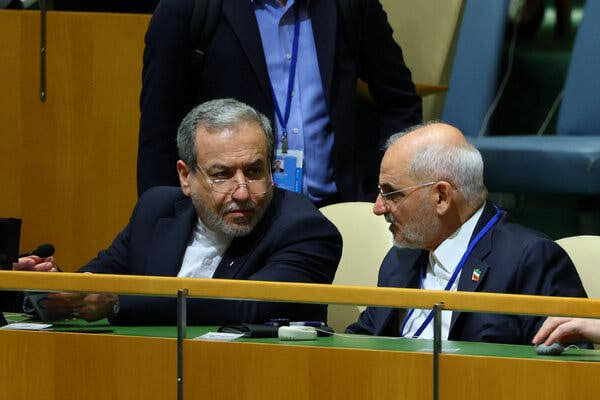
Iranian Foreign Minister Abbas Araghchi disclosed the proposal on the sidelines of the United Nations General Assembly in New York, saying Tehran had transmitted the plan to Washington through intermediaries.
The proposal is built around the commitments contained in a memorandum of understanding reached by Iran and the United States in June, which later collapsed amid accusations of violations by both sides.
Under the new roadmap, Iran is seeking an end to hostilities across the region within seven days, including fighting involving Gaza and Lebanon.
Tehran is also demanding the release of frozen Iranian assets, the lifting of sanctions on its oil exports and an end to the United States naval blockade.
In return, Iran would reopen the Strait of Hormuz at the end of the seven-day period, potentially restoring one of the world’s most important maritime routes for global energy supplies.
The plan also calls for the immediate resumption of negotiations over Iran’s nuclear programme, which remains one of the central issues in the confrontation between Washington and Tehran.
The Strait of Hormuz has become a major flashpoint in the conflict, with restrictions on shipping through the waterway disrupting oil and gas movements and adding pressure to global energy markets.
Iran’s latest proposal comes as the conflict approaches its seventh month and follows renewed diplomatic contacts between the two sides through intermediaries during the UN General Assembly.
The June agreement had provided a longer window for negotiations, but the arrangement unravelled within weeks after both Washington and Tehran accused each other of failing to honour their commitments.
Tehran is now proposing a much faster timetable, with the seven-day framework designed to move from de-escalation to the reopening of Hormuz and the resumption of broader negotiations.
Whether Washington accepts the proposal remains uncertain, but the offer marks a fresh diplomatic opening in a conflict that has increasingly threatened regional stability and global energy supplies.