
NMDPRA data shows local PMS receipts jumped 39% in August as petrol imports fell 26%….
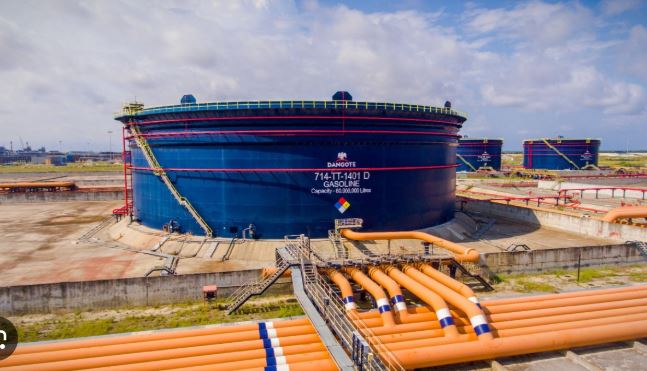
Nigeria’s petrol supply pattern shifted further towards domestic refining in August, with the Dangote Petroleum Refinery supplying more petrol to the local market than the combined volume brought in by importers during the month.
Fresh figures from the Nigerian Midstream and Downstream Petroleum Regulatory Authority showed a sharp rise in locally supplied Premium Motor Spirit, popularly known as petrol, alongside a significant decline in imports.
The NMDPRA’s August 2026 State of the Midstream and Downstream Sector factsheet, released on Thursday, showed that daily domestic PMS receipts climbed to 35.9 million litres in August from 25.8 million litres in July.
Petrol imports moved in the opposite direction, falling from 19.7 million litres per day in July to 14.6 million litres per day in August.
As a result, domestic petrol receipts exceeded imports by 21.3 million litres per day during the month.
Combined petrol receipts also increased, rising 11 per cent from 45.5 million litres per day in July to 50.5 million litres per day in August.
Domestic supply accounted for roughly 71 per cent of the total petrol received during the month, leaving imports with about 29 per cent.
The NMDPRA attributed the increase largely to the growing contribution of domestic refining.
Dangote refinery drives local supply
The Dangote refinery recorded average PMS production of 41.94 million litres per day in August.
Of that volume, 35.87 million litres per day were supplied to the Nigerian market, while 9.73 million litres per day were exported.
The refinery ended the month with 360.4 million litres of PMS in stock, while its average capacity utilisation stood at 105.21 per cent.
The figures underscore the increasing role of the 700,000-barrel-per-day refinery in Nigeria’s petroleum supply chain as the country seeks to reduce its reliance on imported refined products.
However, the increase in petrol supply did not translate into higher recorded domestic consumption.
NMDPRA data showed that PMS consumption fell by 14 per cent, from 48.3 million litres per day in July to 41.5 million litres per day in August.
The regulator said the consumption figure was based on the volume of petrol trucked out into the domestic market.
More crude supplied to local refineries
The shift towards domestic refining was also accompanied by an increase in crude oil supplied to refineries.
Crude receipts rose 17 per cent month-on-month, from 585,000 barrels per day in July to 683,000 barrels per day in August.
Between January and August, domestic refineries received a combined 137.98 million barrels of crude and other feedstock.
Domestic crude accounted for 109.88 million barrels of the total, while 28.10 million barrels came from imported seaborne crude.
This means locally sourced crude represented 79.64 per cent of refinery feedstock during the eight-month period, compared with 20.36 per cent supplied through imports.
Petrol stock sufficiency also improved slightly during the month, rising from 22.4 days in July to 22.9 days in August.
Diesel imports plunge
The NMDPRA data also showed a major reduction in diesel imports during the period.
Automotive Gas Oil imports plunged by 84 per cent, dropping from 7.9 million litres per day in July to just 1.3 million litres per day in August.
Domestic AGO supply also declined, falling 16 per cent to 13.2 million litres per day.
Aviation fuel moved in the opposite direction, with daily receipts increasing by 63 per cent from 1.9 million litres in July to 3.1 million litres in August.
The latest figures point to a changing balance in Nigeria’s downstream petroleum market, with locally refined products accounting for a growing share of domestic supply.
For petrol specifically, the gap widened considerably in August, as domestic PMS receipts of 35.9 million litres per day stood well above the 14.6 million litres per day supplied through imports.
With the Dangote refinery accounting for the bulk of the domestic PMS supply recorded during the month, sustained refinery output and access to sufficient crude feedstock could further alter Nigeria’s reliance on imported petrol.


