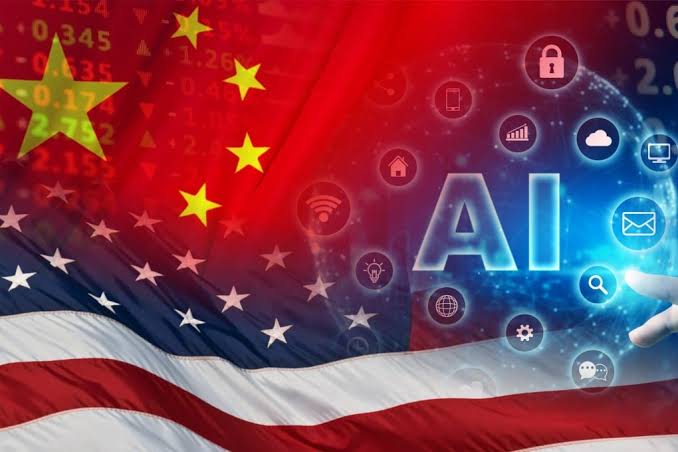
China is calling for stronger international cooperation on artificial intelligence, warning that narratives built around threat, confrontation and competition could undermine efforts to establish global rules for the rapidly evolving technology.
Chinese Foreign Ministry spokesperson Guo Jiakun made the call on Monday, urging countries to work together to ensure artificial intelligence develops in an open, inclusive and responsible way that serves the broader interests of humanity.
His comments come amid growing global debate over the risks posed by increasingly powerful AI systems.
Anthropic Chief Executive Dario Amodei has called for a slowdown in AI development, arguing that stronger safeguards are needed as the capabilities of advanced systems continue to expand.
The debate is unfolding against the backdrop of an intensifying race between the United States and China for leadership in artificial intelligence.
Both countries increasingly view AI as critical to economic growth, technological influence and national security, raising concerns that strategic competition could make international cooperation more difficult.
US President Donald Trump has repeatedly stressed the need for Washington to maintain its lead over Beijing in AI, arguing that dominance in the technology could deliver significant strategic advantages.
Experts say this rivalry could complicate efforts by the two powers to reach common ground on slowing AI development or establishing shared safety standards.
China, for its part, has also acknowledged the potential risks associated with artificial intelligence. Chinese officials have called for a balance between technological advancement and security, alongside stronger legislation, ethical guidelines and safeguards against AI-related threats.
Concerns over the pace of development are also being raised within the US technology sector.
OpenAI Chief Executive Sam Altman has advocated stronger safety measures to keep pace with advances in AI capabilities, while Microsoft Chief Executive Satya Nadella has argued against allowing control of the technology to become concentrated in the hands of only a few entities.
China has continued to push for a greater role in shaping international AI governance, including through proposals for broader global cooperation and initiatives aimed at expanding collaboration on open-source artificial intelligence.
As Washington and Beijing compete for influence over a technology expected to transform economies, industries and national security, the question of AI governance is likely to feature prominently in future US-China discussions.
The bigger challenge will be whether the two leading AI powers can find common ground on safety and governance while their wider technological and strategic rivalry continues.