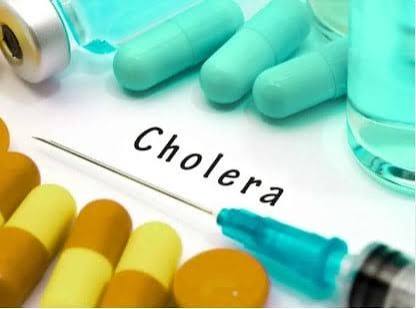
Nigeria’s cholera outbreak continues to threaten children, with UNICEF reporting 25,074 suspected cases among children, representing 44 percent of cases nationwide.
The agency said it has received $1.8 million of the $25 million needed to strengthen the response, leaving a major funding gap. According to its latest report covering July and August 2026, Nigeria has recorded 57,030 suspected cases and 357 deaths across 35 states and 183 Local Government Areas.
Borno remains the epicentre, accounting for 55,452 cases and 308 deaths across all 23 LGAs, with Maiduguri, Monguno and Jere recording the highest burden.
UNICEF said 12,794 children under five and 12,280 aged six to 14 are among the suspected cases, while displaced people, returnees and host communities remain particularly vulnerable. The agency linked continued transmission to poor water and sanitation, limited treatment capacity, weak surveillance, insecurity, misinformation and delayed access to care.
UNICEF said it has supported oral cholera vaccination for about 2.8 million people in Maiduguri and Jere, alongside water chlorination, household disinfection, hygiene campaigns and emergency sanitation measures.
In Borno, the treatment network includes four Cholera Treatment Centres, 31 Treatment Units and 56 Oral Rehydration Points, providing 961 beds.
The agency said seasonal flooding, inadequate WASH infrastructure and displacement linked to prolonged insurgency are also contributing to the outbreak.