Nearly two decades after the discovery of the Bundibugyo strain of Ebola, the Africa Centres for Disease Control and Prevention (Africa CDC) says the lack of an approved vaccine exposes persistent gaps in global health investment.
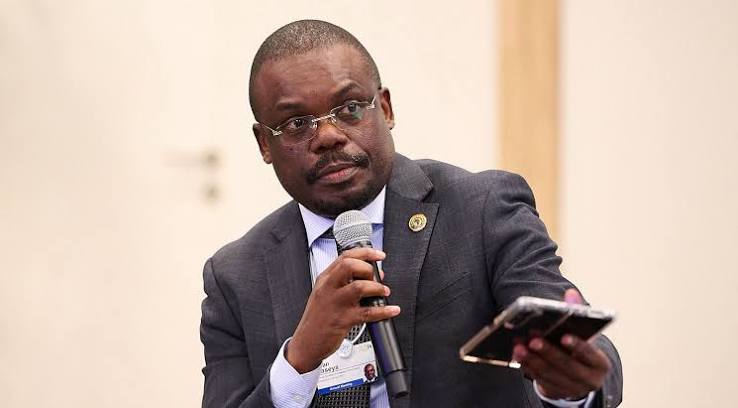
Speaking in an interview, the Africa CDC Director-General, Jean Kaseya, criticised the international community for failing to prioritise diseases that disproportionately affect Africa.
He argued that a vaccine would likely have been developed sooner if the disease primarily affected Western countries, noting that the virus had caused three outbreaks since it was first identified in Uganda.
Kaseya called on African governments to invest in vaccine research, clinical trials and local manufacturing to reduce dependence on foreign partners.
He said Africa CDC was working with partners, including an African manufacturer in Egypt, to advance research into a vaccine against the Bundibugyo strain. The agency is also collaborating with the Democratic Republic of the Congo and Uganda to explore research and emergency-use options involving existing Ebola vaccines.
However, the Ervebo vaccine is approved against the Zaire strain of Ebola and is not approved for preventing disease caused by the Bundibugyo strain.
Kaseya’s remarks come as Nigeria responds to its first confirmed Ebola case in the current outbreak. The patient, the wife of a diplomat who travelled to Uganda, is receiving treatment in isolation, while health authorities monitor 44 identified contacts.
He said 28 African countries had contributed funding to the outbreak response, describing it as evidence of growing continental commitment to tackling public health emergencies.
The Africa CDC chief identified increased domestic funding, stronger coordination among international partners and expanded vaccine manufacturing as priorities for improving the continent’s preparedness.
He maintained that Africa has the scientific expertise, skilled personnel and manufacturing potential to produce vaccines, medicines and diagnostic tools, urging governments to invest in a more self-reliant health system.
Kaseya expressed confidence that the current outbreak would accelerate efforts to strengthen Africa’s capacity to develop vaccines and respond to future health emergencies, insisting that the continent must not be left behind in global health research.