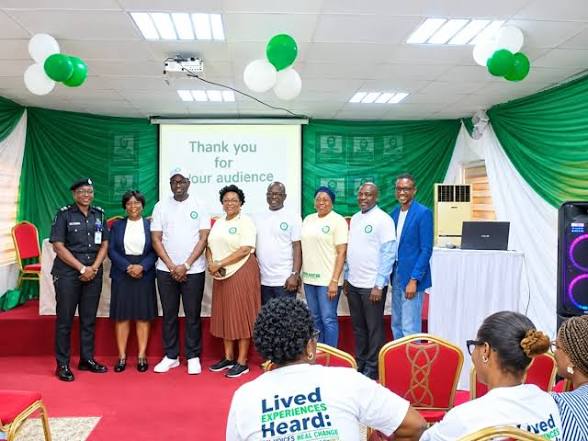
Psychiatrists at the Federal Neuro-Psychiatric Hospital, Yaba, Lagos, have called for increased support for people living with mental health conditions, warning that stigma, discrimination and inadequate social welfare services could hinder their recovery.
The experts made the call during the hospital’s commemoration of the 2026 World Mental Health Day, under the theme, “Lived Experiences Heard: Real Voices, Real Change.”
The hospital’s Medical Director, Dr Olugbenga Owoeye, said the experiences of patients, caregivers and healthcare professionals should inform decisions on mental health policies and services.
He urged families, religious institutions, employers and communities to treat people with mental health conditions with understanding rather than isolate or discriminate against them.
Owoeye noted that many mental health conditions are treatable, stressing that affected individuals could recover and lead productive lives with appropriate medical care and support.
He also encouraged people experiencing persistent sleep difficulties, unexplained sadness, anxiety, restlessness or unusual behavioural changes to seek professional help early.
Speaking at the event, Consultant Child and Adolescent Psychiatrist, Dr Grace Ijarogbe, called for the effective implementation of Nigeria’s Mental Health Act and increased investment in mental health research and treatment.
She also advocated the introduction of mental health education in secondary schools to help young people understand mental health conditions, recognise warning signs and seek assistance when necessary.
Ijarogbe highlighted the challenges some patients face after treatment, including difficulties paying for medication, securing accommodation and returning to their communities.
She called for stronger social welfare support, affordable housing and better protection against discrimination in workplaces and society.
The psychiatrist also disclosed that a halfway home had been donated to support patients who require assistance after leaving the hospital.
Meanwhile, the hospital’s Head of Clinical Services, Dr Oluwafunmilayo Akinola, urged families and caregivers to listen to people recovering from mental health conditions and respond with empathy.
She stressed that patients’ experiences should guide improvements in healthcare delivery, adding that employers should consider flexible work arrangements for individuals recovering from mental illness.
The experts called on government agencies, non-governmental organisations and the public to work together to improve access to mental healthcare and ensure that people living with mental health conditions receive the support needed to recover and reintegrate into society.