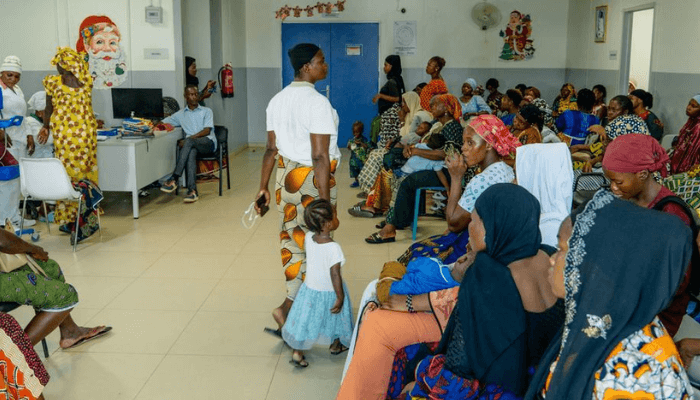
Obstetric fistula, though entirely treatable, continues to affect more than 500,000 women globally, making it a silent but devastating health crisis, according to UN agencies.
In her message marking the 2025 International Day to End Obstetric Fistula, Executive Director of UN Women, Sima Bahous, described the condition as a tragic consequence of neglect in women’s health and rights.
Obstetric fistula is a medical condition that occurs when a hole forms between the birth canal and the bladder or rectum, typically due to prolonged or obstructed labor. This leads to continuous leakage of urine or feces, causing not just physical discomfort but also profound social stigma.
“Women’s bodies become battlegrounds not only through sexual violence but also through the systemic denial of reproductive health services and rights,” Bahous said.
She shared the harrowing story of Dah, a 14-year-old girl from Côte d’Ivoire, who endured five days of labor that ended in a stillbirth and the onset of fistula. Dah lived with the condition for 16 years, undergoing eight surgeries before finally receiving successful treatment.
This year’s observance carries the theme: “Her Health, Her Right: Shaping a Future without Fistula,” and underscores global efforts to eliminate the condition entirely by 2030.
Obstetric fistula primarily affects women in the Global South, where access to timely and quality maternal care is limited. The condition often leads to severe social isolation, depression, and increased poverty due to the stigma of incontinence.
The UN Population Fund (UNFPA) highlighted the critical role of midwives in preventing fistula and other birth-related injuries. However, a shortage of over 900,000 midwives globally half of whom are needed in Sub-Saharan Africa continues to hamper progress.
Despite these challenges, progress is being made. Between 2003 and 2024, UNFPA supported nearly 150,000 surgical fistula repairs, including 4,400 procedures in Côte d’Ivoire alone for women like Dah and Kambiré.
Still, the condition remains stubbornly persistent due to inequities in global health systems.
UN agencies stress that eliminating obstetric fistula is achievable, as it is both entirely preventable and fully treatable with the right investments and political will.