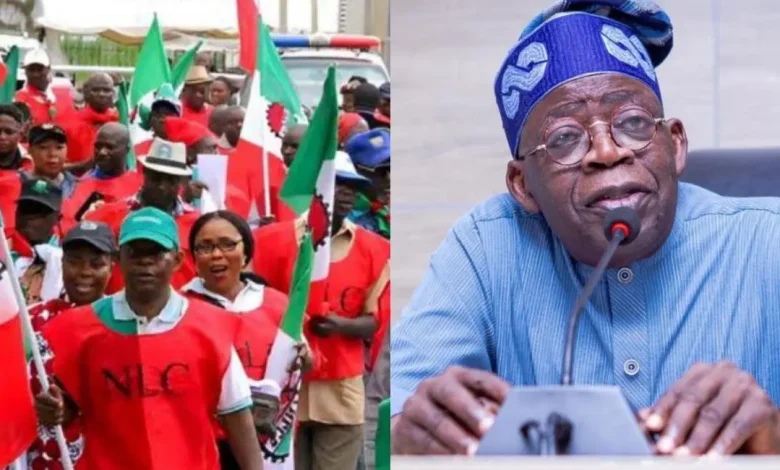
Tension is mounting between organised labour and the Federal Government as the Nigeria Labour Congress (NLC) and the Trade Union Congress (TUC) have ordered their state councils and civil society allies to begin mobilising for possible nationwide action over petrol prices, minimum wage renegotiation and other outstanding workers’ demands.
The directive followed a breakdown in talks with the Federal Government on October 22, 2026, after the meeting ended without concrete commitments on the issues presented by labour leaders.
In a joint statement signed by the NLC’s Acting Secretary-General, Benson Upah, organised labour said it approached the meeting in good faith but was disappointed that the government delegation lacked the necessary mandate to engage meaningfully on the demands.
Among the key demands are a reduction in petrol prices to 2024 levels, renegotiation of the national minimum wage, implementation of agreed tax relief measures, resolution of the JOHESU terms of settlement, and implementation of the Joint Public Service Negotiating Council’s demands on peculiar allowance, wage award and hazard allowance.
With no agreement reached, the Federal Government requested that the meeting be adjourned until Tuesday, October 27, to allow relevant ministers and heads of departments and agencies to attend with the necessary authority to negotiate.
But labour leaders have warned that the fresh deadline must produce results, insisting that they will not tolerate indefinite delays in resolving issues affecting workers and ordinary Nigerians.
The NLC said it would brief its organs on the outcome of the meeting, adding that the appropriate bodies would determine the next course of action if meaningful progress was not achieved at the next session.
While urging workers and the public to remain calm, organised labour directed its affiliates, state councils and civil society partners to remain on alert and intensify preparations for possible nationwide action.
The development raises the prospect of a fresh confrontation between labour and the government, with the outcome of Tuesday’s meeting expected to determine whether negotiations can avert a wider industrial dispute.