Initiative reports 670 buses deployed nationwide, plans 127 additional refuelling stations as Nigeria expands gas-powered transport…..
Some public transport routes participating in the Federal Government’s compressed natural gas (CNG) transition programme have recorded fare reductions of between 15 and 50 per cent, according to the Presidential Initiative on Compressed Natural Gas and Electric Vehicles (PI-CNG & EV).
The initiative disclosed this on Thursday during a media engagement in Kano organised by the Decade of Gas Secretariat in collaboration with PI-CNG & EV, where officials presented updates on Nigeria’s gas development plans and efforts to promote cleaner, more affordable transportation.
Chief Operating Officer of PI-CNG & EV, Tosin Coker, said the adoption of CNG could help lower transportation costs, strengthen energy security and support the country’s transition to cleaner mobility.
Coker, however, stressed that safety must remain central to the conversion of vehicles from conventional fuels to compressed natural gas.
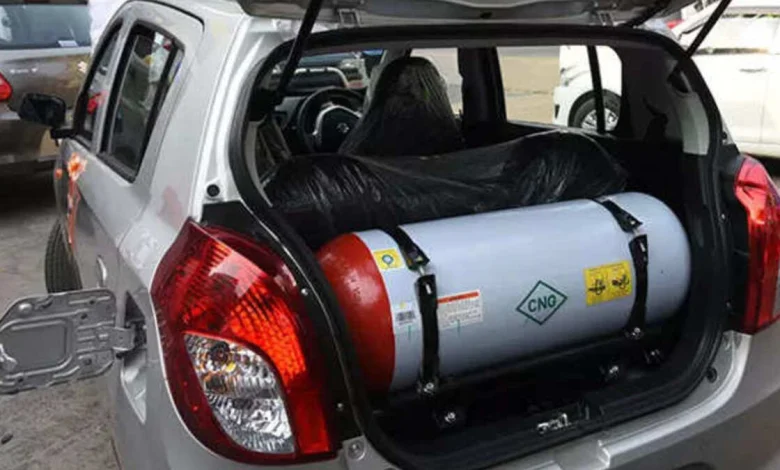
“CNG can help reduce transportation costs and support Nigeria’s transition to cleaner mobility, but safety must remain a priority. Vehicle owners should use certified conversion centres, approved equipment and ensure proper vehicle maintenance,” he said.
The initiative reported that 670 CNG buses had been deployed across the country, with 285 operating commercially in 13 states. Another 302 buses had been allocated to transport unions, students and government agencies.
However, the presentation did not explain the status of the remaining 83 buses or clarify whether the categories of commercially operated and allocated vehicles overlapped.
PI-CNG & EV also disclosed that additional CNG buses and tricycles were on order as the Federal Government seeks to expand access to alternative-fuel transportation and reduce the cost of commuting.
Despite the reported fare reductions, officials did not identify the specific routes where the cuts had been implemented or provide a breakdown of fares before and after the introduction of CNG-powered vehicles.
On infrastructure, the initiative said plans were underway to establish 127 additional CNG refuelling stations across 31 states and the Federal Capital Territory to improve access to the fuel and accelerate adoption nationwide.
Kano was identified as a strategic centre for cleaner transportation in Northern Nigeria, with seven operational CNG refuelling stations and 17 others at different stages of completion.
The initiative also reported the deployment of 25 additional buses in the state to complement existing commercial operations, highlighting the potential for expanded transport services, investment and industrial development along the northern gas corridor.
Beyond transportation, officials used the engagement to outline progress in Nigeria’s broader gas development programme.
Workstream Lead for Infrastructure and Demand at the Decade of Gas Secretariat, Taofeek Balogun, said the country’s proven natural gas reserves had increased from 208.83 trillion cubic feet in 2023 to 215.19 trillion cubic feet as of January 2026.
He added that average gas production had risen from 6.86 billion cubic feet per day to approximately 7.5 billion cubic feet per day, while domestic gas supply had exceeded two billion cubic feet per day.
Balogun also disclosed that four major gas projects had attracted $3.5 billion in committed investments, reflecting continued efforts to expand the country’s gas infrastructure and improve supply.
According to him, the OB3 Gas Pipeline had been completed, while the Ajaokuta-Kaduna-Kano Gas Pipeline was approximately 95 per cent complete.
He further said N671 billion in public infrastructure funding had attracted about N1.6 trillion in private investment, underscoring the role of government spending in mobilising private-sector capital for gas development.
The government’s liquefied petroleum gas programme, he added, is targeting five million households by 2030 as part of efforts to expand access to cleaner cooking fuel.
Speaking on behalf of participating journalists, Chairman of the Kano State Correspondents’ Chapel, Murtala Adewale, described the engagement as informative and called for more frequent capacity-building sessions to strengthen media coverage of developments in the gas sector.
The Decade of Gas Secretariat and PI-CNG & EV reaffirmed their commitment to public education, media engagement and collaboration with stakeholders as Nigeria works to expand gas infrastructure and increase the use of alternative fuels.
While the reported fare reductions point to the potential cost benefits of CNG-powered transportation, the absence of route-specific data and fare comparisons leaves questions about the extent to which commuters nationwide are benefiting from the programme.