The Nigeria Centre for Disease Control and Prevention, NCDC, says Nigeria has recorded 263 deaths from Lassa fever out of 1,115 confirmed cases reported across 24 states between January and September 20, 2026.
According to the agency’s situation report for epidemiological week 38, covering September 14 to 20, the case fatality rate has risen to 23.6 per cent, compared with 18.5 per cent recorded during the corresponding period in 2025.
The report showed that Nigeria recorded 906 confirmed cases and 168 deaths during the same period last year.
The NCDC also reported 8,218 suspected cases in the first 38 weeks of 2026, compared with 7,792 cases recorded during the corresponding period in 2025.
The confirmed infections were reported across 119 local government areas in 24 states, with Ondo, Bauchi, Taraba, Edo and Benue accounting for approximately 87 per cent of the total confirmed cases.
Ondo State recorded the highest number of infections, with 393 confirmed cases, followed by Bauchi with 260, Taraba with 133, Edo with 122 and Benue with 61.
During the reporting week, 11 new confirmed cases and four deaths were recorded, while 120 suspected cases were reported.
The agency identified people aged between 21 and 30 as the most affected age group, although confirmed cases ranged from one to 93 years.
It also disclosed that 54 healthcare workers had been infected cumulatively in 2026, although no new healthcare worker infection was recorded during the reporting week.
The NCDC attributed the high fatality rate partly to patients arriving at health facilities late, alongside the high cost of treatment, inadequate awareness in affected communities and poor environmental sanitation.
The agency further identified infections among healthcare workers as a continuing challenge in the country’s response to the disease.
To strengthen control efforts, the NCDC said it had continued to support active case searches, contact tracing, laboratory testing and training for frontline healthcare workers, alongside the distribution of personal protective equipment.
It urged state governments to sustain community awareness campaigns on Lassa fever prevention and encouraged healthcare workers to maintain a high index of suspicion, ensure prompt referrals and treatment, and adhere strictly to infection prevention and control measures.
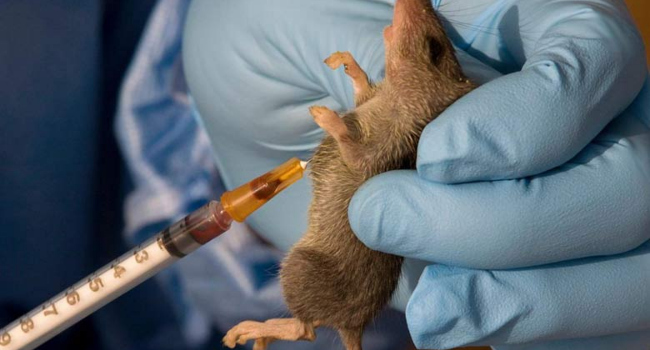
Lassa fever is an acute viral haemorrhagic illness primarily transmitted to humans through contact with food or household items contaminated by the urine or faeces of infected rats. Early diagnosis and prompt treatment are important in reducing the risk of severe illness and death.