Kim Keon Hee Faces Arrest Warrant Over Bribery, Stock Manipulation Allegations

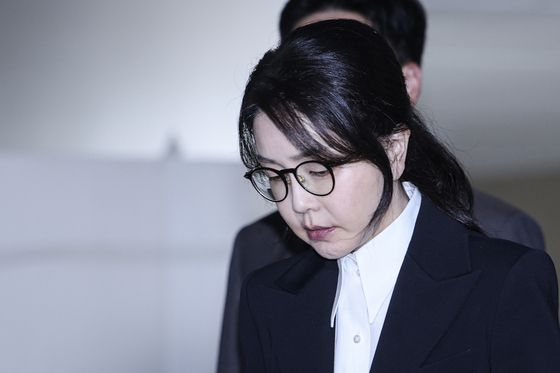
In a historic legal twist, South Korean prosecutors have requested an arrest warrant for former First Lady Kim Keon Hee, intensifying a sweeping investigation into high-level corruption and abuse of power under the previous administration.
Special Prosecutor Oh Jung-hee confirmed the request at a press briefing on Wednesday, stating: “We filed for an arrest warrant for Kim at 1:21 p.m. local time (0421 GMT).”
The dramatic move follows a seven-hour interrogation of Kim just a day earlier, during which she was questioned over a wide range of allegations—including bribery, stock manipulation, and political interference.
If the court grants the warrant, it will mark an unprecedented moment in South Korea’s history: both a former president and first lady behind bars simultaneously.
Kim’s husband, former conservative President Yoon Suk Yeol, is already in detention following his controversial declaration of martial law in December.
Kim is accused of violating capital market and financial investment laws, political funding regulations, and abusing her influence within the conservative party. Prosecutors allege she attempted to sway candidate nominations during a 2022 parliamentary by-election.
In a particularly bizarre twist, investigators say Kim allegedly received lavish gifts through a fortune teller, who acted as an intermediary for a senior official of the Unification Church a powerful and polarizing religious group often criticized as a cult. In return, Kim is suspected of offering business favors.
The case against Kim is part of a broader effort by the administration of progressive President Lee Jae Myung, whose government has launched three separate special investigations into the former president and his close circle.
Prosecutors have underscored the seriousness of the charges, which include financial crimes, illegal political activity, and unethical influence-peddling—setting the stage for what could become one of the most consequential legal battles in South Korea’s political history.