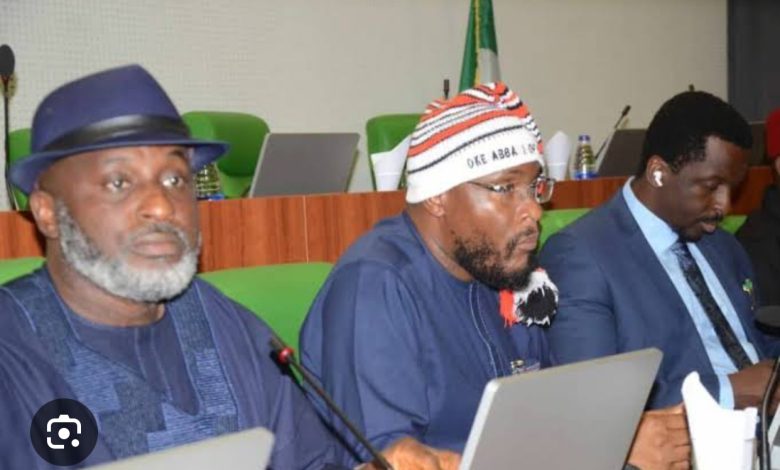
Amid concerns over transparency in health funding, the House Committee on Infectious Diseases has intensified scrutiny of $4.6 billion in donor-supported disease control programmes across Nigeria.
The funds, sourced mainly from the Global Fund and the United States Agency for International Development, were disbursed between 2021 and 2025 to support Nigeria’s response to HIV/AIDS, tuberculosis, malaria and other infectious diseases.
Chairman of the committee, Amobi Ogah, made this known on Sunday in Abuja during oversight visits to implementing partners, including the Institute of Human Virology Nigeria, Family Health International, and Catholic Relief Services.
He said while the organisations have played key roles in disease control efforts, there is now a need for stricter oversight, transparency, and accountability in the utilisation of donor funds.
Ogah warned that all resources must be properly accounted for, adding that “business as usual” would no longer be tolerated in the management of health grants.
He also directed that implementing partners submit their project plans to the National Assembly for approval, alongside regular reports on implementation progress.
At the Institute of Human Virology Nigeria, Chief Executive Officer, Patrick Dakum, described the oversight visit as timely, saying it helped highlight both achievements and existing gaps.
A presentation showed that the institute received about $359.4 million from the Global Fund between 2021 and 2026, with additional funding still expected. He noted that procurement processes were largely handled directly by the Global Fund through approved vendors.
At Catholic Relief Services, Country Representative, Akim Kikonda, reaffirmed the organisation’s commitment to accountability and transparency, pledging continued collaboration with lawmakers.
Similarly, Victor Ogbodo of Family Health International said the engagement underscored the importance of stronger coordination among stakeholders in improving Nigeria’s response to infectious diseases.
FHI 360 disclosed that it received $290.44 million between 2021 and 2023, while Catholic Relief Services reported $74.784 million within the same period.
As part of the ongoing investigation, the committee ordered all beneficiary organisations to submit detailed financial records, including bank statements and procurement documents, to strengthen legislative oversight of donor-funded health interventions.
Nigeria remains one of the largest recipients of Global Fund support globally, with billions of dollars deployed over the years to tackle major public health challenges such as HIV/AIDS and malaria.