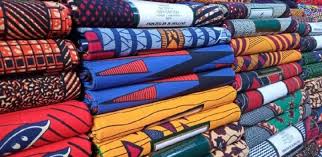
Declining mills, high costs, and imported competition weigh on sector, while government unveils revival strategy including new development board….
Nigeria’s cotton, textile, and garment industry continued its downward trajectory in 2025, contributing N4.384 trillion to the nation’s Gross Domestic Product (GDP), according to the latest data from the National Bureau of Statistics (NBS).
The figures reflect a persistent decline over the past three years, from N4.548 trillion in 2023 to N4.476 trillion in 2024, marking a 3.6 percent drop between 2023 and 2025.
Structural Challenges Hit the Sector Hard
Once a cornerstone of Nigeria’s industrial economy, with over 180 textile mills in operation during the 1980s, the industry has dwindled to fewer than 20 operational mills today. Analysts point to multiple factors behind the decline:
- High production costs
- Unstable power supply
- Foreign exchange constraints
- Competition from cheaper imported textiles
These pressures have led domestic manufacturers to scale back operations or produce well below installed capacity, resulting in an estimated N164 billion loss in output value over the two-year period.
Industry operators warn that without meaningful intervention, local textile firms may continue to struggle, risking further contraction and job losses.
Government Moves to Revive the Industry
In response, the federal government has launched measures aimed at rejuvenating the sector. Key initiatives include:
- The Nigeria Industrial Policy 2025, targeting industrial growth and competitiveness
- Establishment of a Cotton, Textile and Garment Development Board, tasked with guiding sector reforms
- Enforcement of Executive Order 003, which mandates government agencies to patronise locally produced textiles
The National Union of Textile, Garment and Tailoring Workers of Nigeria (NUTGTWN) welcomed the government’s move, highlighting the board as a “landmark initiative” that signals commitment to tackling long-standing structural challenges.
“These bold and strategic initiatives represent far-reaching measures aimed at accelerating Nigeria’s industrialisation drive and revamping the once vibrant but now challenged textile and garment industry,” said Peters Godonu, NUTGTWN President.
A Sector Poised for Revival?
While the decline underscores the difficulties facing Nigeria’s textile sector, experts say the government’s interventions particularly the focus on local procurement and institutional support could provide the foundation for recovery.
The successful implementation of these reforms, along with improved infrastructure and access to affordable financing, will be critical to restoring the textile industry’s role as a key driver of industrial growth, job creation, and export potential.
With strategic policy backing and stronger private-sector participation, Nigeria’s textile, cotton, and garment sector may yet regain some of its former vibrancy in the coming years.