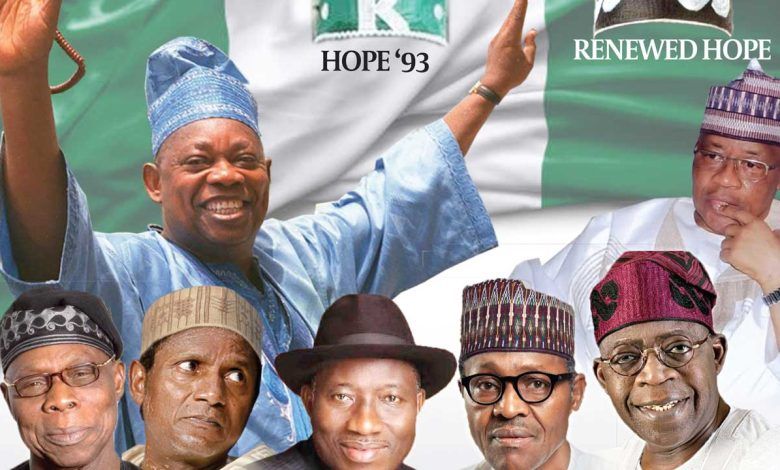
Nigeria today solemnly marks 26 years since its historic return to democracy—a journey that has seen five presidents and a series of pivotal elections shaping governance at federal and state levels.
Originally celebrated on May 29 to honor the 1999 inauguration of former President Olusegun Obasanjo, Democracy Day was officially shifted in 2018 by former President Muhammadu Buhari’s administration to June 12.
This date commemorates the landmark 1993 election, widely hailed as Nigeria’s freest and fairest, symbolizing the enduring spirit and commitment of Nigerians to democratic ideals.
In the 2025 Democracy Day observances, President Bola Tinubu is set to deliver a keynote address to a joint session of the National Assembly. Breaking from tradition, this year’s ceremony will forgo the usual parade in Abuja in favor of a fresh commemorative format. Across the nation, diverse events are planned to celebrate the resilience and progress of Nigeria’s democracy.
Minister of Foreign Affairs Yusuf Tuggar praised Nigeria’s democratic journey as a beacon of hope for West Africa amid rising regional instability. Speaking through his spokesperson, Alkasim Abdulkadir, Tuggar noted, “Democracy transcends borders; it is a strategic pillar for regional peace and stability. Nigeria’s progress strengthens the broader African democratic project.”
Governors nationwide have called on citizens to remain vigilant in safeguarding the country’s democratic achievements. Niger State Governor Umaru Bago described June 12 as the triumph of collective will over authoritarianism. “This day solemnly reminds us of the sacrifices, courage, and resilience of our democracy champions,” he said. “It has ushered in transparency, accountability, vibrant political competition, diverse expression, and robust civic engagement.”
Edo State Governor Monday Okpebholo urged Nigerians to reflect deeply on June 12’s legacy and renew their commitment to justice, unity, and democratic values. “We honor the memory of Chief M.K.O. Abiola and all who tirelessly fought for the democracy we enjoy today,” he affirmed.
Kaduna State Governor Uba Sani echoed these sentiments, calling on all leaders and citizens to recommit to democratic principles and strive toward a fairer society.
Suspended Rivers State Governor Siminalayi Fubara reiterated his dedication to inclusive democratic participation, recognizing Rivers State’s journey as one marked by both trials and triumphs, underscoring the need for perseverance.
Yet, amid the celebrations, tensions persist. Groups such as the Take It Back Movement have announced protests in Abuja and 19 other states, voicing concerns about threats to Nigeria’s democracy. These demonstrations coincide with President Tinubu’s address to the National Assembly.
In response, security forces have increased vigilance, particularly in Lagos, where additional officers have been deployed. Youth mobilization in Akure, Ondo State’s capital, further reflects the dynamic and evolving nature of Nigeria’s democratic landscape.
As Nigeria honors this milestone, June 12 stands not only as a celebration of democratic progress but also as a solemn call for unity, vigilance, and a renewed commitment to the democratic values shaping the nation’s future.