Rising oil prices threaten disinflation gains, even as gold boom offers a cushion ahead of key policy decision…
Ghana’s battle to tame inflation is entering a more uncertain phase, with fresh global tensions threatening to disrupt recent economic progress just as policymakers prepare for a crucial interest rate decision.
Ahead of its March 18 meeting, the Bank of Ghana is facing a delicate balancing act: sustain its easing cycle or respond to new inflation risks driven by rising global oil prices.
Governor Johnson Asiama has already sounded a note of caution, warning that escalating conflict in the Middle East could derail the country’s disinflation trajectory.
Oil Shock Threatens Progress
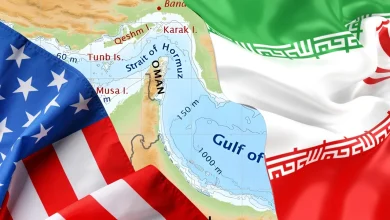
At the heart of the concern is the surge in crude oil prices, triggered by geopolitical tensions involving Iran and U.S.-Israeli military actions.
For Ghana, which relies heavily on imported petroleum products, higher oil prices translate quickly into rising transport and production costs key drivers of inflation.
Asiama warned that these developments could reverse some of the hard-won gains achieved over the past year.
“There is a threat to the disinflation trajectory,” he said, signaling that policymakers are increasingly wary of external shocks.
Gold: Ghana’s Unexpected Shield
But it’s not all downside.
As global uncertainty rises, so too does demand for safe-haven assets especially gold. And for Ghana, Africa’s leading gold producer, that presents a critical buffer.
Surging gold prices have already delivered a major boost to the economy:
- Export earnings nearly doubled to about $20 billion in 2025
- External reserves strengthened significantly
- The country’s current account position improved
This gold windfall has played a central role in stabilising Ghana’s economy, offering some protection against external volatility.
From Aggressive Cuts to Policy Pause?
Since July 2025, the Bank of Ghana has been on a rate-cutting streak, responding to a sharp decline in inflation.
Key moves include:
- A 350-basis point cut in November 2025
- A 250-basis point reduction in January 2026
- Benchmark interest rate now at 50 percent
The easing cycle reflected growing confidence that inflation was under control. But the latest global developments could complicate that narrative.
A Tightrope for Policymakers
The central bank now faces a classic policy dilemma:
- Cut rates further to support growth
- Or pause (or even tighten) to guard against rising inflation
Asiama hinted that the decision will not be straightforward, emphasizing the need to balance progress with emerging risks.
“Our communication must reflect both the progress that has been achieved and the risks that remain,” he noted.
A Dual-Edged Economy
Ghana’s current position highlights a unique economic dynamic:
- Negative exposure: Rising oil prices increase import costs and inflation
- Positive exposure: Higher gold prices boost export earnings and foreign exchange
This dual reality leaves the economy both vulnerable and resilient—depending on how global trends evolve.
All Eyes on March 18
Investors and analysts are now watching closely as the Bank of Ghana prepares to announce its next move.
The decision will signal whether the central bank believes inflation risks are temporary or the beginning of a new phase of pressure.
For Ghana, the stakes are high. After months of steady progress, the path forward is no longer clear-cut. The next policy call could determine whether the country stays on track or is forced to adjust course in an increasingly volatile global environment.