Flights Grounded in Afghanistan as Taliban Enforces Nationwide Internet Blackout

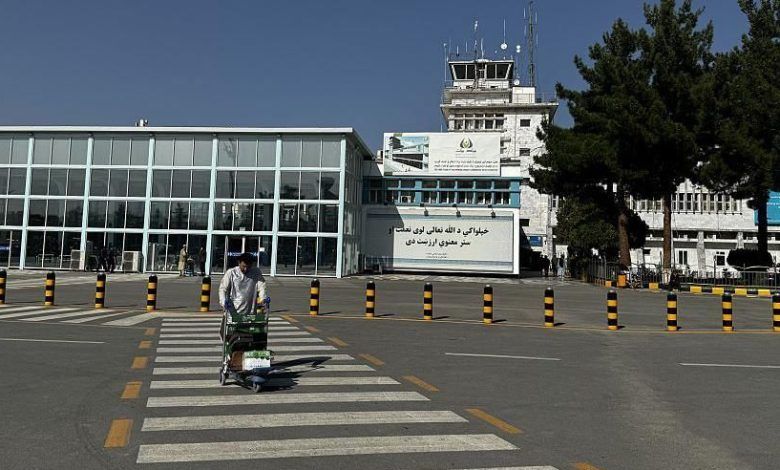
Afghanistan has been thrown into chaos after the Taliban government ordered a nationwide internet shutdown, paralyzing communication, banking, education, and air travel.
The blackout, which began on Monday evening, has left the country virtually cut off from the outside world, with no official explanation offered by authorities beyond the statement that it would remain in effect “until further notice.”
At Kabul International Airport, operations ground to a halt. Residents described the facility as “nearly deserted,” with no visible flight activity. Flight-tracking service Flightradar24 showed multiple cancellations and dozens of flights listed only as “unknown.”
Passengers planning to fly into Kabul on Tuesday said they were informed there would be no flights until at least Thursday. Locals confirmed that all departures from the capital had been suspended since Monday evening.
Impact on Daily Life
The internet shutdown has crippled essential services. Banks and payment systems are struggling to function, while online education, a crucial lifeline for women and girls banned from formal schools, has been completely disrupted.
“We are blind without phones and internet. All our business relies on mobiles. Deliveries, banking, everything has stopped. The market is frozen,” said Najibullah, a 42-year-old shopkeeper in Kabul.
Banks in the capital remain open but overwhelmed, with long queues of people desperate to withdraw money. Reports from Helmand province indicate that all banks have shut down completely, leaving traders and money changers unable to process payments.
International Concern
The United Nations mission in Afghanistan condemned the blackout and urged the Taliban to restore services immediately.
“The cut in access has left Afghanistan almost completely isolated from the outside world and risks inflicting significant harm on the Afghan people, threatening economic stability and deepening one of the world’s worst humanitarian crises,” the UN said in a statement.
Diplomatic sources also warned that the shutdown could devastate Afghanistan’s fragile economy by crippling banking systems, e-commerce, and international transactions.
Escalating Restrictions
Over recent weeks, the Taliban had been intermittently severing fibre-optic lines in several provinces.
However, the capital Kabul only lost connectivity on Monday, with residents reporting their networks failed around 5:00 p.m. local time (12:30 GMT). By Tuesday morning, the blackout was nationwide.
While daily life on Kabul’s streets appears outwardly calm, residents say the reality is stark: businesses frozen, cash scarce, and millions of Afghans left stranded without the ability to communicate or function in an increasingly digital world.