Explosions rock Erbil and Basra while U.S.-led coalition intercepts drones amid warnings of possible attacks on foreign-linked locations….
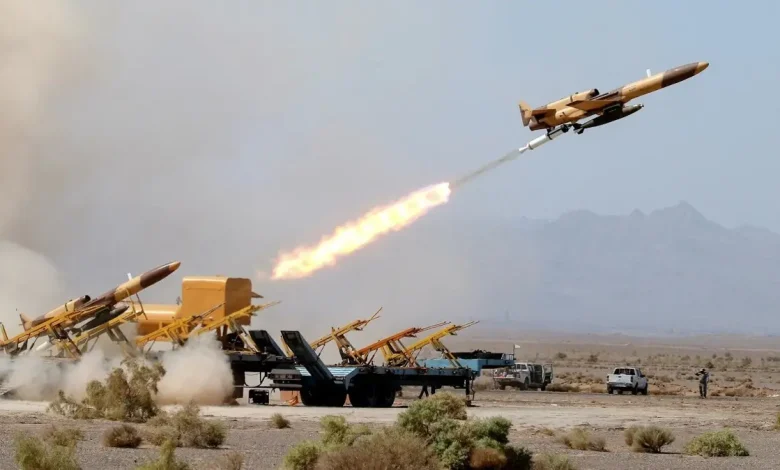
Several drone strikes targeted airports and oil facilities across Iraq on Friday, raising fresh security concerns as regional tensions continue to spill across the Middle East.
Explosions were reported near the airport in Erbil, where forces from the U.S.-led coalition intercepted multiple explosive drones in the skies above the city. The attacks came just hours after warnings that locations frequently used by foreigners including hotels could become targets.
Late Friday, Baghdad International Airport also came under attack. Security officials said the facility which hosts a military base and a U.S. diplomatic presence was targeted by drones and missiles in what they described as a coordinated assault.
Another security source confirmed that a drone strike was followed by a fire inside the airport compound, though the extent of the damage was not immediately clear.
Earlier in the day, Iraqi authorities said rockets had been launched toward the airport from the Abu Ghraib area west of Baghdad. Security forces later located and seized a vehicle carrying additional rockets believed to be linked to the attempted attack.
Oil Facilities Also Targeted
In southern Iraq, the attacks extended to the country’s critical energy infrastructure.
In Basra, an oil facility used by several international energy companies was targeted twice in the same day.
A security official said air defence systems shot down two drones over the Burjesia oil complex, but a third drone managed to penetrate the defences and struck the site.
Earlier strikes had also hit another oil field and Basra’s airport, according to security sources.
The attacks have raised concerns about the safety of energy infrastructure in the oil-rich region, which plays a central role in Iraq’s crude exports.
Iraq Caught in Regional Power Struggle
Iraq has long been caught between rival powers in the region, particularly the United States and Iran, both of which maintain influence through military presence and allied groups.
Although Baghdad has repeatedly stated that it does not want to be dragged into the broader conflict unfolding in the Middle East, the country has continued to experience attacks linked to the escalating crisis.
Since the outbreak of hostilities, strikes blamed on the United States and Israel have targeted Iran-aligned groups in Iraq. Those groups have responded by launching attacks on American bases in Iraq and elsewhere in the region.
Kurdistan Region Under Pressure
The semi-autonomous Kurdistan Region has increasingly become a focal point of the attacks, partly because it hosts U.S. troops and foreign companies.
On Friday, Kurdish security forces said coalition air defences successfully destroyed four explosive-laden drones over Erbil.
Fragments from one of the intercepted drones fell near a hotel in the city, though officials said there were no casualties.
Earlier, the United States had warned that Iran-backed fighters could attempt to strike hotels in the Kurdistan region that are frequently used by foreign nationals and business travellers.
The region’s Natural Resources Ministry also announced that oil production at a field operated by U.S. company HKN Energy had been halted after a drone attack a day earlier in Dohuk province.
Iran Targets Kurdish Rebel Groups
Beyond the attacks on infrastructure, strikes have also hit bases belonging to Iranian Kurdish opposition groups operating inside northern Iraq.
These groups maintain camps and rear bases in Iraqi Kurdistan, and Iran has repeatedly targeted them since the start of the current conflict.
Tehran warned on Friday that it could strike “all facilities” linked to Kurdish militants if they attempt to cross the border into Iran.
So far, opposition sources say no fighters have entered Iranian territory.
However, officials from the exiled Democratic Party of Iranian Kurdistan reported fresh attacks on their positions.
“Our bases are under attack from the Iranian enemy,” a party official said.
Many Iranian Kurdish opposition groups believe the widening conflict could weaken Tehran’s leadership, a development some hope could eventually shift the balance of power in the region.