Democracy Day: Reps Seek Governors’ Backing on Gender Bills, Traditional Rulers’ Role
Speaker Abbas urges Nigeria Governors’ Forum to support constitutional reforms on women’s representation and traditional institutions.

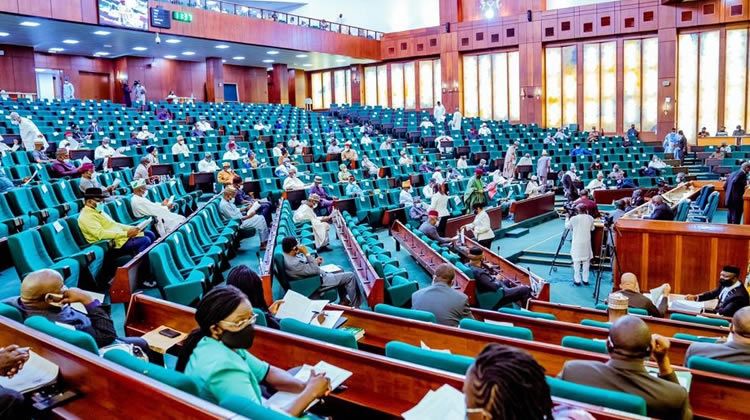
As Nigeria marked its 2025 Democracy Day, Speaker of the House of Representatives, Tajudeen Abbas, has called on the Nigeria Governors’ Forum (NGF) to support key legislative reforms, including bills aimed at gender inclusion and granting traditional rulers a constitutional role.
Speaking at a joint session of the National Assembly on Thursday — an event graced by President Bola Ahmed Tinubu — Abbas urged the NGF and the Progressive Governors’ Forum to actively champion the passage of gender bills at the state level, a critical step needed for their inclusion in the Constitution.
Among the proposals are bills to reserve special legislative seats for women in the National Assembly and state Houses of Assembly, and to provide legal backing for the 35% affirmative-action gender policy.
“We appeal to the Chairman of the Nigeria Governors’ Forum and the Progressive Governors’ Forum to advocate for these essential reforms at the state level,” Abbas said.
He emphasized that the House is also seeking constitutional recognition for traditional rulers, aiming to assign them a clearly defined role in Nigeria’s governance structure.
Highlighting the legislative progress made since the 10th Assembly’s inauguration in June 2023, Abbas noted that 2,263 bills have been reviewed, with 186 passed and 51 receiving presidential assent. He commended President Tinubu for the unprecedented number of bills signed into law within two years.
“While we celebrate these milestones, we remain aware that the work is far from done,” he added. “Our target is to complete the ongoing review of the 1999 Constitution by December 2025.”
Speaker Abbas reaffirmed the House’s commitment to its eight-point Legislative Agenda, developed in alignment with President Tinubu’s Renewed Hope Agenda, and pledged to fast-track work on reforms that promote inclusion, good governance, and national cohesion.
The success of these reforms, however, depends heavily on state assemblies, as constitutional amendments in Nigeria require approval from at least 24 out of 36 state legislatures.