China Begins Construction of World’s Largest Hydropower Dam, Raising Alarms in India and Bangladesh

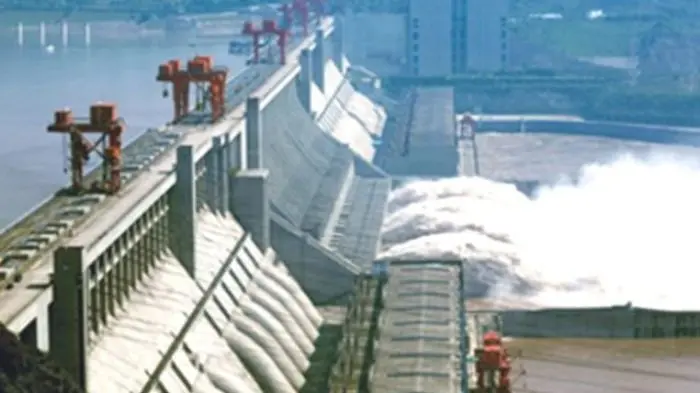
China has officially launched construction of what is set to become the world’s largest hydroelectric dam, a controversial mega-project on the Yarlung Tsangpo River in Tibet, drawing regional backlash and sparking fresh concerns in India and Bangladesh over water security and environmental stability.
The groundbreaking ceremony was presided over by Chinese Premier Li Qiang on Saturday, as reported by Chinese state media. The project, located near the town of Medog in southeastern Tibet, marks a significant milestone in Beijing’s ambitious hydropower expansion along the volatile Himalayan waterway.
The Yarlung Tsangpo, which originates in Tibet, flows into India’s Arunachal Pradesh as the Siang River, before joining the Brahmaputra River and continuing into Bangladesh—making it one of South Asia’s most geopolitically sensitive rivers.
India and Bangladesh have expressed unease over the project’s downstream implications. Environmentalists and regional analysts warn that the massive dam could:
Alter river flow patterns, Disrupt sediment balance and agricultural cycles, Increase the risk of flooding or drought, And endanger the livelihoods of millions dependent on the Brahmaputra basin.
“This is not just an infrastructure project — it’s a geopolitical flashpoint,” said one South Asian water policy expert. “The Yarlung Tsangpo is a shared lifeline, and unilateral moves can have serious cross-border consequences.”
China insists the dam will adhere to “ecological protection principles” and contribute to local development. Officials claim the project will: Significantly boost renewable energy output, Support economic growth in remote Tibetan regions, And reduce China’s reliance on coal.
However, Beijing has not signed any water-sharing treaty with India or Bangladesh, deepening fears over transparency and accountability in cross-border river management.
The development comes amid broader tensions in India-China relations, especially along their disputed Himalayan border, where both nations have fortified their military presence since deadly skirmishes in 2020.
India has previously raised objections to similar Chinese infrastructure projects in the region, arguing they violate established understandings on transboundary river cooperation.
In Bangladesh, where the Brahmaputra is a critical water source, experts have voiced alarm over the lack of consultation. Civil society groups have called on China to engage in multilateral dialogue before proceeding further.
Meanwhile, Tibetan activists warn the dam could also displace local communities and further erode the fragile Himalayan ecosystem.