
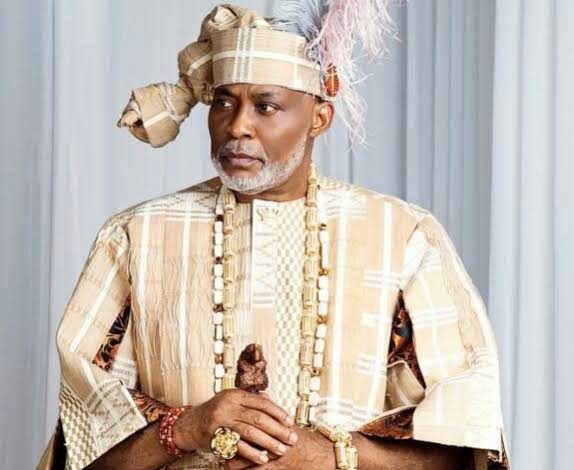
Veteran Nollywood actor and filmmaker Richard Mofe-Damijo, popularly known as RMD, has challenged Nigerians to move beyond pointing out the country’s problems and play a more active role in addressing them.
RMD made the call on Tuesday at the 2026 Pivot Nigeria Conference at the MUSON Centre in Lagos, where discussions centred on Nigeria’s reputation and the social and economic consequences of the country’s image.
The conference, themed “The Reputation Dividend: Who Pays for Nigeria’s Perception?”, brought together voices from the creative, media and communications sectors to examine how Nigeria is perceived and how that perception affects its people and opportunities.
Speaking at the event, RMD acknowledged the challenges facing the country but argued that identifying them should be followed by efforts to address them.
“There are problems, but we need to fix them. Don’t stand and just criticise and propose no solution,” he said.
The actor also called for greater accountability in governance, urging Nigerians to ensure that public officials understand their responsibility to the people they represent.
He stressed that citizens also contribute to the country’s reputation through their everyday conduct, particularly when they interact with people outside Nigeria.
RMD urged Nigerians to see themselves as representatives of the country and to remain conscious of the image they project.
“Just remember who you are. You are an ambassador, not just for yourself, your parents or your school, but ultimately for your country,” he said.
He also described Nigeria as a “work in progress”, urging citizens to remain engaged in the process of nation-building rather than expecting immediate transformation.
The remarks came as the conference examined the relationship between national reputation, public perception and opportunities for Nigerians, businesses and institutions.
Conference convener and HighStakes PR Professionals Lead Consultant, Victoria Uwadoka, said responsibility for Nigeria’s reputation extends beyond government to citizens, the media, businesses and other institutions.
She also called for a more balanced portrayal of the country, arguing that Nigerians should acknowledge existing challenges while also telling stories about the country’s achievements.


