The Nigeria Export Processing Zones Authority (NEPZA) and the House of Representatives Committee on Public Accounts have pledged to enforce strict compliance with operational and fiscal regulations within Nigeria’s Free Trade Zones (FTZs), in a bid to ensure prompt and complete remittances to the Federation Account.
This resolution was reached during an oversight visit by the Committee to two of Nigeria’s flagship industrial zones Dangote Refinery and Petrochemicals Free Zone Enterprise and the Lagos Free Zone, both located in Ibeju-Lekki, Lagos.
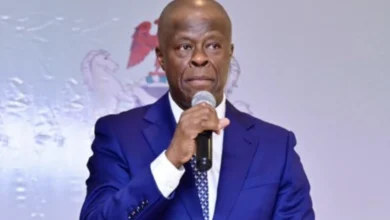
In a statement released on Friday by NEPZA’s Head of Corporate Communications, Martins Odeh, the Authority’s Managing Director and CEO, Olufemi Ogunyemi, reiterated NEPZA’s renewed commitment to transparency, accountability, and regulatory enforcement.
“The Authority has again notified all operators of its readiness to strictly apply existing regulations to achieve maximum compliance,” Ogunyemi said. “We are committed to upholding fiscal probity across all zones, and ensuring that Nigeria derives its full benefit from these industrial schemes.”
While acknowledging the significant contributions made by the Lagos Free Zone and the Dangote Refinery, Ogunyemi emphasized that all FTZ operators must step up their obligations, especially in terms of remittances and regulatory adherence.
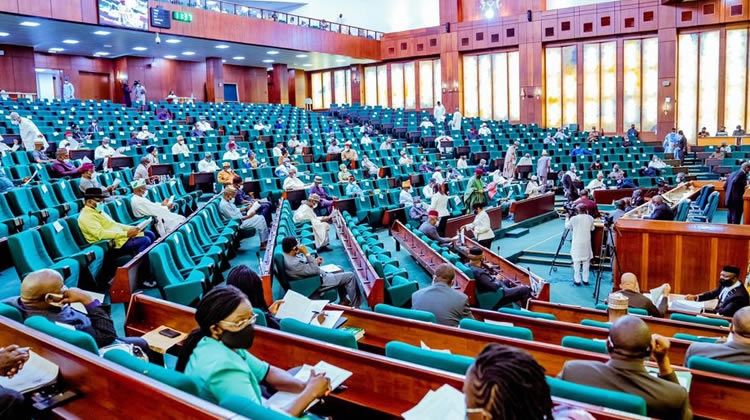
Speaking during the visit, Chairman of the House Committee on Public Accounts Bamidele Salam, commended the scale and quality of investment at both zones, calling them “shining examples” of what Nigeria’s Free Trade Zone scheme can achieve.
“We are impressed with the level of industrial activity and investment we’ve seen here,” Salam said. “However, the scheme must continue to evolve and be properly regulated to meet its core goal accelerating Nigeria’s economic growth and industrialisation.”
Salam emphasized the need to expand the FTZ scheme across all geopolitical zones, urging NEPZA to address inactive zones and revoke licenses from non-compliant operators.
“We must ensure equity in industrial development across Nigeria. Many zones remain inactive, and NEPZA must act decisively to prevent licenses from being wasted or misused.”
The Committee also stressed that proper fiscal conduct in key zones like Dangote Refinery and Lagos Free Zone should set the standard for the rest of the 42 active Free Trade Zones in the country, which host over 500 licensed enterprises.
The oversight visit forms part of a broader legislative effort to strengthen Nigeria’s industrial base while plugging revenue leakages from strategic economic initiatives like the Free Trade Zone programme.