French PM Bayrou Faces Parliamentary Grilling Over Catholic School Abuse Scandal

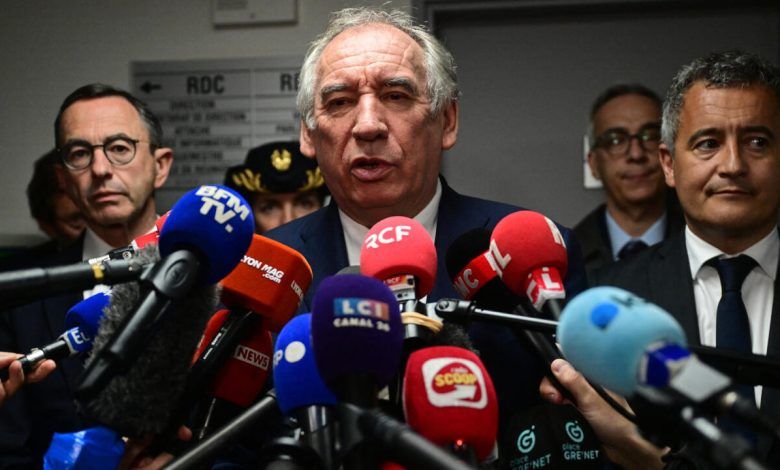
French Prime Minister François Bayrou faces one of the most politically sensitive tests of his five-month tenure as he appears before a parliamentary committee on Wednesday to answer questions surrounding decades-long allegations of sexual and physical abuse at a Catholic school in southwestern France.
The inquiry centers on whether Bayrou, who served as France’s Education Minister from 1993 to 1997, had knowledge of the abuses that reportedly occurred at the Notre-Dame de Betharram school in the Pyrénées-Atlantiques, and whether he failed to act.
The 73-year-old centrist leader, who was appointed Prime Minister by President Emmanuel Macron in December, has firmly denied any wrongdoing, describing the accusations as part of a “campaign of destruction.” Speaking ahead of the hearing, Bayrou insisted the session would give him “the opportunity to prove that all this is false.”
Bayrou’s appearance comes at a critical moment for his premiership. Once seen as a stabilizing figure tasked with leading France out of a prolonged political crisis, his credibility has taken a hit in recent weeks. A recent poll revealed his approval rating had fallen to 27%, dipping below Macron’s for the first time.
Although he has previously survived no-confidence votes in a divided parliament, the Betharram affair could inflame opposition sentiment and galvanize his critics. Political analysts warn that while the scandal alone may not topple Bayrou, a misstep during the hearing could trigger broader political fallout.
“The Betharram case might not be sufficient to bring him down, but it could empower both his parliamentary enemies and uneasy allies to act,” said political risk consultancy Eurasia Group, pointing also to rising discontent over France’s worsening fiscal outlook.
The inquiry takes a more personal turn due to Bayrou’s deep ties to the school. Several of his children attended Betharram, and his wife taught religious studies there. Disturbingly, his own daughter has publicly contradicted aspects of his account.
In April, Hélène Perlant, Bayrou’s eldest daughter, accused members of the clergy at the school of systemic abuse, alleging she was beaten by a priest during a summer camp when she was just 14. She added, however, that she believed her father had not been aware of the abuse at the time.
Yet mounting testimonies — including those of other victims and local officials — have cast doubt on whether Bayrou, long a prominent figure in Pau where the school is located, could have remained unaware.
Though Bayrou is not personally under criminal investigation, the committee’s mandate is to examine systemic failures by the state in preventing abuse in schools. More than 200 legal complaints have been filed since early 2023, spanning alleged incidents between 1957 and 2004.
The commission, co-led by lawmakers Paul Vannier and Violette Spillebout, has already heard from victims, clergy members, and former education officials. Its final report is expected in late June.
Some opposition lawmakers, particularly from the Greens, have gone so far as to accuse Bayrou of perjury and are calling for his resignation. Even within the Socialist camp — which has previously helped Bayrou survive legislative challenges — voices are growing skeptical.
“If he lies before parliament, he’s politically dead,” a senior Macron ally told reporters anonymously.
Survivors and advocacy groups say the scandal has left lifelong scars. “The state failed to protect the children of Betharram,” said Alain Esquerre, who represents a collective of former pupils. Several former boarders recounted how priests allegedly visited boys’ dormitories at night.
One parent of a survivor bluntly accused Bayrou of “lying” to preserve his political career.
As the hearing unfolds, all eyes in France’s political sphere are on Bayrou — a man many see as a symbol of centrist stability, now walking a political tightrope under the shadow of a historic scandal.