Network faults, grid instability and transformer constraints disrupt electricity delivery across parts of Lagos, leaving some customers without power despite the 20-hour daily supply target.
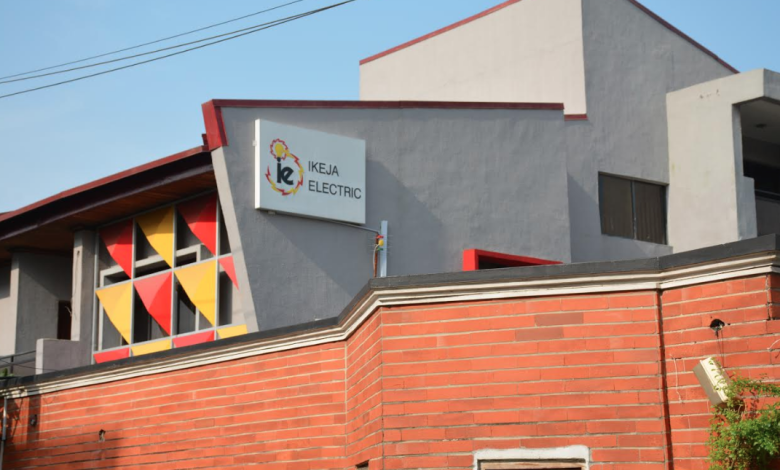
Ikeja Electric has apologised to customers across several Band A electricity feeders after failing to meet the minimum 20-hour daily supply requirement on October 25 and 26, with some areas recording no electricity throughout both days.
In a circular dated October 27, the electricity distribution company acknowledged the service shortfall, citing technical challenges affecting its network across parts of Ikeja, Shomolu, Oshodi and Akowonjo.
The disruptions affected feeders expected to receive at least 20 hours of electricity daily under the Band A service classification, raising fresh concerns over the reliability of power supply to customers paying for the premium service category.
According to the company, five feeders in Shomolu recorded zero hours of supply on both days. They include 11-Magodo INJ-T1-Emanuel Keshi, 11-Magodo INJ-T1-Shangisha, 11-Magodo INJ-T1-Owulade, 11-Magodo INJ-T2-Bashiru and 11-Magodo INJ-T2-CMD.
Ikeja Electric attributed the outages on the affected feeders to panel-swapping work.
Other areas experienced varying levels of disruption, with several feeders receiving less than the stipulated daily supply duration.
The 11-PTC INJ-T2-Awuse feeder in Ikeja recorded 19.28 hours of electricity on October 25 and 18.72 hours the following day, while the 11-Oworo INJ-T3-Anthony feeder in Shomolu received 6.38 hours and 19.32 hours, respectively.
The company also identified faults on its 11-kilovolt network, instability on the national grid and limitations involving power transformers as contributing factors to the supply interruptions.
In Akowonjo, the 11-Alimosho INJ-T8-Okunola feeder recorded 16.55 hours of electricity on October 25 and 18.95 hours on October 26.
Meanwhile, the 11-PTC INJ-T2-Medical feeder in Ikeja received 15.82 hours on the first day and 18.72 hours on the second.
The 33-Orgba TCN-MTN feeder in Ikeja also recorded zero hours of supply on both days, with Ikeja Electric listing a fault on the 33kV network among the causes of the disruption.
The company expressed regret over the inconvenience caused to affected customers but did not indicate when normal supply would be fully restored to all the affected feeders.
The latest disruption follows previous explanations by Ikeja Electric that inadequate electricity allocation from the national grid has contributed to reduced supply across its distribution network.
On October 6, the company said it was engaging relevant stakeholders to improve electricity availability, adding that it would distribute the power allocated to it as efficiently and equitably as possible.
The DisCo reiterated the explanation on October 19, again linking reduced supply hours to insufficient electricity allocated from the national grid following a decline in power generation.
The latest disclosure highlights the multiple challenges affecting electricity delivery to customers, ranging from limited grid supply to faults and operational constraints within distribution infrastructure.
For Band A customers, who are expected to receive a minimum of 20 hours of electricity daily, the reported outages underscore the gap between the stipulated service standard and the supply recorded on some feeders.
Ikeja Electric has apologised for the interruptions, while the affected customers await more consistent electricity supply across the company’s network.