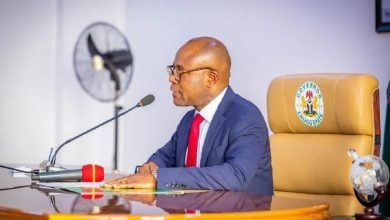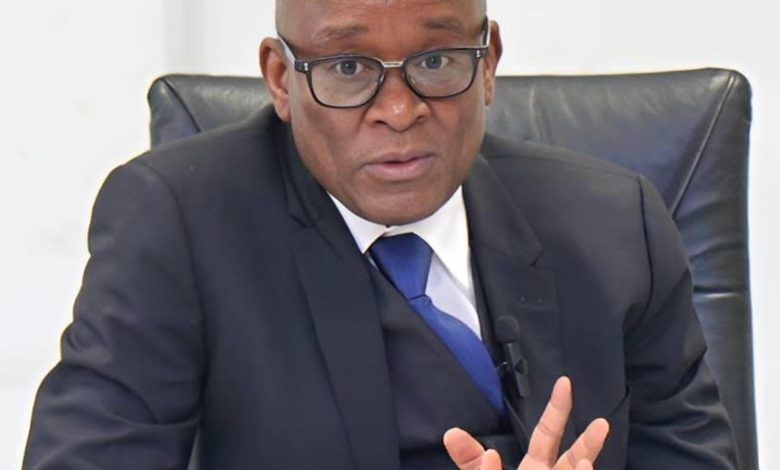
Nigeria’s Minister of State for Industry, Senator John Enoh, says the administration of President Bola Tinubu is actively addressing the core challenges that previously drove industries out of the country, with notable progress already restoring investor confidence.
Speaking on the current state of Nigeria’s industrial landscape, Enoh noted that the government has taken deliberate steps to resolve persistent issues such as inadequate power supply, poor infrastructure, bureaucratic red tape, and challenges around ease of doing business that have historically stifled industrial growth.
“All those issues that led to industries shutting down power, infrastructure, lack of access to affordable short-term financing, and bureaucratic hurdles we are now tackling them head-on,” he said.
According to the minister, the policy reforms introduced by the Tinubu administration have already begun to shift the tide. “I can assure you that the kind of confidence this government has restored has stopped the outflow of industries and given new hope for industrial growth,” Enoh declared.
He emphasized that President Tinubu’s commitment to reviving Nigeria’s industrial base is evident in the strategic decisions made within the first year of his tenure. One such move, Enoh said, was the decision to appoint a dedicated minister for the industrial sector a clear indication of the government’s prioritization of manufacturing and enterprise.
“In just one year, President Tinubu decided to separate the industry portfolio from trade and investment to give it the focused attention it deserves. That decision reflects how important this sector is to his administration’s economic agenda,” Enoh added.
He also claimed that since the current administration assumed office, no major industrial shutdowns or exits have been reported, a marked contrast to trends in previous years.
“The confidence of industry players is growing. They feel more protected and more optimistic about the future under this administration,” he said.
The remarks come amid broader efforts by the federal government to attract investment, promote local manufacturing, and reverse the trend of de-industrialization that has plagued Nigeria’s economy for decades.