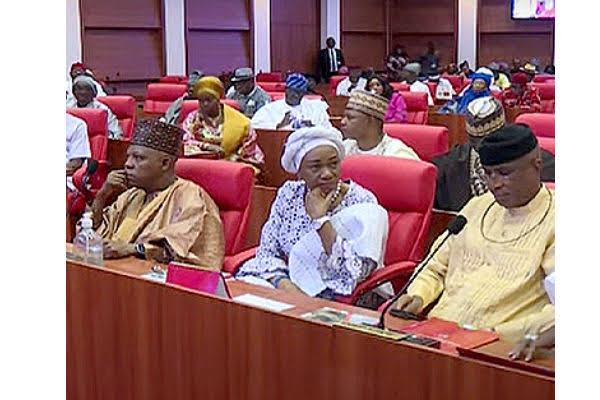
Senate Extends 2024 Capital Budget to December 2025 Amid Mounting Concerns
Lawmakers cite procurement delays, warn repeated extensions erode public trust and budget credibility

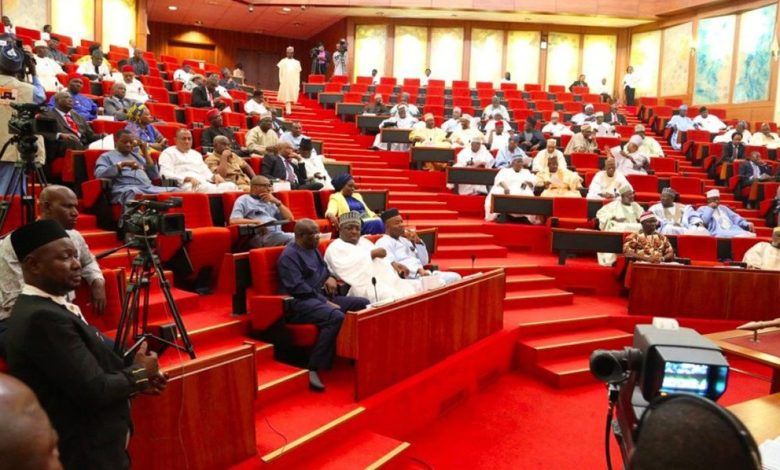
The Nigerian Senate has approved a fresh extension of the capital expenditure component of the 2024 Appropriation Act, pushing its implementation deadline to December 31, 2025. The move comes amid reported delays in procurement processes and disbursement of funds to government agencies.
This marks the second time the budget has been extended. Originally scheduled to lapse in December 2024, the implementation deadline was first moved to June 2025 before the latest adjustment.
The 2024 budget, signed into law in January, has a total outlay of ₦28.7 trillion, with ₦9.9 trillion allocated for capital projects. A supplementary budget worth ₦2.17 trillion, passed later in the year, brought total projected federal spending to nearly ₦30.87 trillion—targeting critical areas such as security, infrastructure, and social welfare.
The extension bill, titled “A Bill for an Act to Amend the 2024 Appropriation Act to further extend the Capital Components of the Act,” was fast-tracked on Tuesday in the Red Chamber. It passed all legislative stages in a single sitting after Senate Rule 78(1) was suspended twice to allow accelerated readings and debate.
Rationale for the Extension
Presenting the bill, Senate Appropriations Committee Chairman Olamilekan Adeola said the decision was necessary to prevent the abandonment of key infrastructure projects.
“The extension is to give Ministries, Departments, and Agencies (MDAs) time to complete ongoing procurement and capital projects,” he explained. “Without this window, many critical interventions may be left incomplete.”
The motion received support from Senate Chief Whip Tahir Mungonu, who emphasized that the aim was to preserve the original intent of capital allocations approved by the National Assembly.
Lawmakers Raise Red Flags
Despite its passage, the extension attracted strong criticism from lawmakers across party lines. Many expressed unease over the repeated delays, warning of long-term consequences for governance and public trust.
Senator Yahaya Abdullahi described the trend as “dangerous,” cautioning that it could erode fiscal discipline.
“We’re setting a troubling precedent,” he said. “Never in the history of the National Assembly have we extended the life of an appropriation bill twice in a single fiscal year.”
Senator Abdul Ningi suggested deeper issues beyond procurement. He alleged selective project implementation by the Ministry of Finance and the Office of the Accountant General.
“Almost 80% of constituency projects were completed six months ago. This isn’t about delays; it’s about selective disbursement,” he argued.
Minority Leader Abba Moro also warned that the integrity of the legislature could be at risk if the release of budgeted funds continues to face obstacles.
“Parliament must rise to the occasion. If we don’t confront the bottlenecks in the release process, the credibility of this institution will be undermined,” he stated.
Senator Seriake Dickson added a political dimension to the conversation, accusing the government of prioritizing 2027 electoral interests over governance.
“The recurrent expenditure, which largely benefits the bureaucracy, has been fully executed, while capital spending—critical to ordinary Nigerians—lags behind,” he said.
Senate Passes Police Trust Fund Extension
In a separate development, the Senate also passed the Nigeria Police Trust Fund (Amendment) Bill 2025, extending the fund’s duration from six to twelve years. The bill aims to sustain investments in police training, equipment, and infrastructure.
Senate Leader Opeyemi Bamidele, who led the debate, said the extension would solidify the progress made in ongoing police reforms. Like the budget extension bill, it was passed after receiving all readings in a single session.
Nigeria Now Running Three Budgets Simultaneously
With this latest extension, Nigeria now finds itself executing three overlapping capital budgets simultaneously—raising serious concerns about accountability, project tracking, and overall fiscal coherence.
As public scrutiny mounts, stakeholders are calling for urgent reforms to the budgeting process to restore credibility, improve implementation rates, and ensure that capital allocations translate into visible development outcomes.