North Korea Fires 12 Ballistic Missiles as Tensions With South Korea Escalate

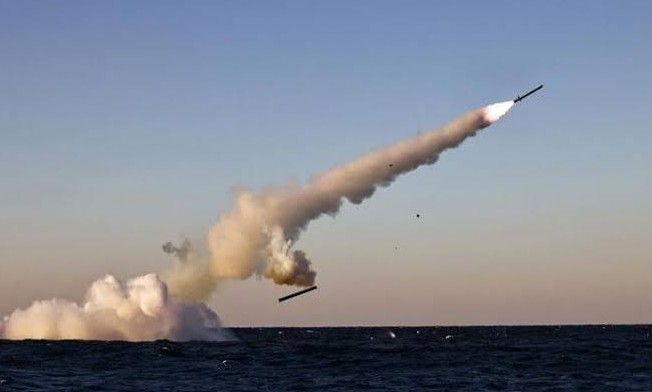
North Korea has launched approximately 12 short-range ballistic missiles towards the Sea of Japan, according to South Korea’s military, in a fresh escalation of tensions linked to a border landmine incident and stalled efforts to revive military dialogue between the neighbouring countries.
South Korea’s Joint Chiefs of Staff (JCS) said the missiles were detected on Thursday being fired from the Wonsan area on North Korea’s eastern coast towards the East Sea, also known internationally as the Sea of Japan.
The JCS disclosed that the South Korean military had intensified surveillance and heightened its state of readiness to monitor the possibility of further launches.
Japan’s Coast Guard separately reported that an object believed to be a North Korean ballistic missile appeared to have fallen, urging vessels operating in the area to remain alert.
The latest missile launches come amid a series of weapons tests by Pyongyang, including trials involving a precision-guided torpedo system and an intermediate-range hypersonic missile, which reports said incorporated artificial intelligence technology.
The development also follows a landmine explosion near the heavily fortified border between North and South Korea that injured three South Korean soldiers.
A joint investigation conducted by Seoul and the United Nations earlier this month reportedly concluded that North Korea had planted the landmines more than a year ago. South Korea condemned the alleged action as a violation of the Korean War Armistice Agreement and called on Pyongyang to resume dialogue.
However, North Korea has shown little willingness to engage with South Korean President Lee Jae Myung’s efforts to ease tensions and improve bilateral relations. Kim Yo Jong, the sister of North Korean leader Kim Jong Un and a prominent figure in the country’s leadership, has dismissed Seoul’s diplomatic overtures.
Last week, South Korea proposed military talks aimed at clarifying the precise location of the inter-Korean border and restoring communication channels between the two sides. Pyongyang has yet to respond to the proposal.
The Demilitarised Zone (DMZ) separating the two countries remains one of the most heavily fortified borders in the world, with landmine incidents and military confrontations continuing to threaten regional stability.
North and South Korea technically remain at war, as the 1950–1953 Korean War ended with an armistice rather than a formal peace treaty.
The latest escalation comes amid renewed diplomatic speculation surrounding US President Donald Trump’s efforts to engage Kim Jong Un. His overtures have raised concerns in Seoul that South Korea could be sidelined in future negotiations over North Korea’s nuclear programme.
Trump has previously described his relationship with Kim as very good, although he has played down expectations of an imminent summit. In October, Pyongyang conducted several short-range ballistic missile tests a day after Trump indicated that he could meet the North Korean leader before the end of the year.
The latest launches underscore the persistent security challenges on the Korean Peninsula, where diplomatic efforts continue to face setbacks amid military posturing and deep-rooted mistrust.