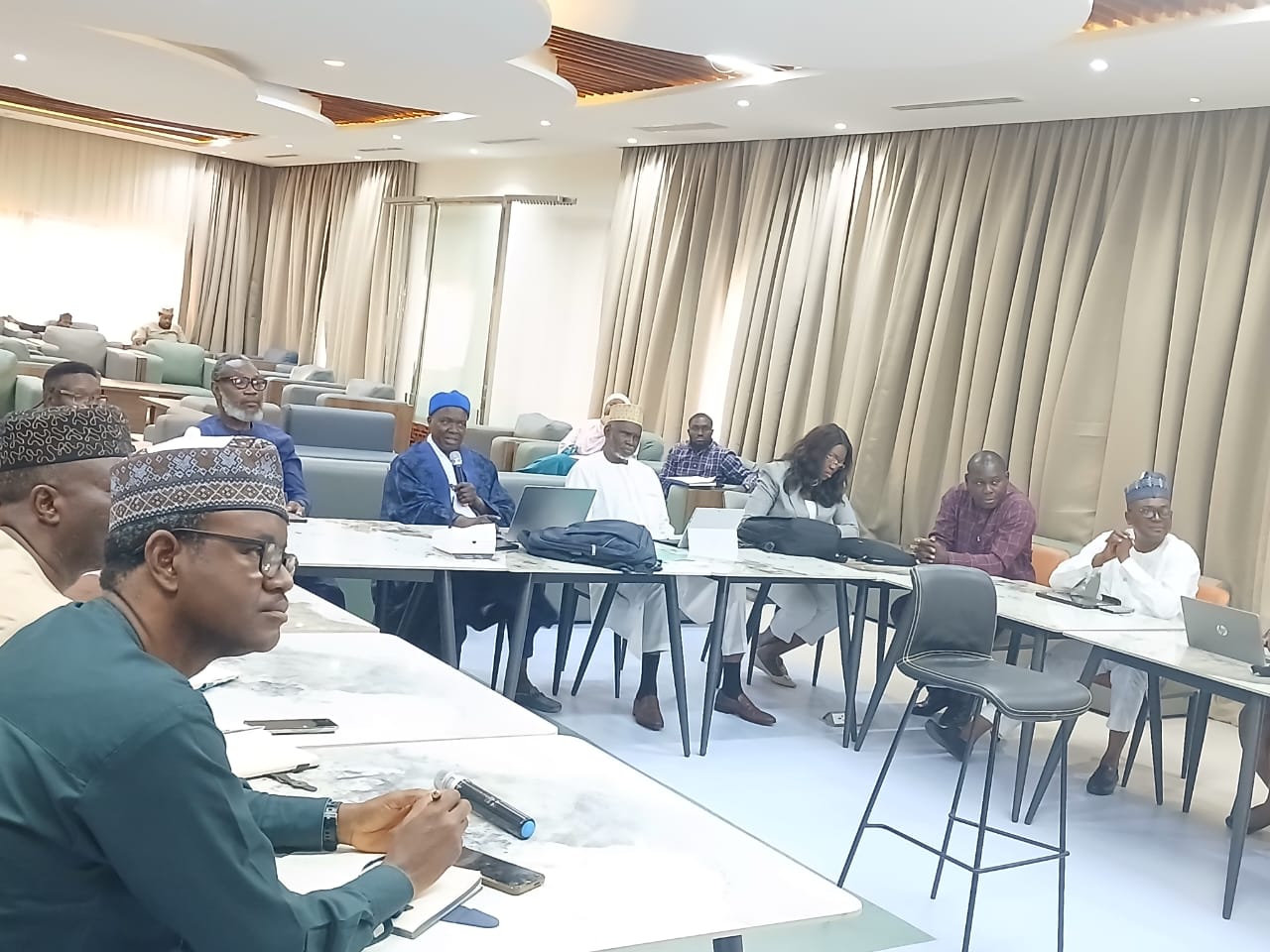
Nigeria and China have called for stronger cultural and creative partnerships, identifying photography, broadcasting, joint exhibitions, training programmes and digital media collaborations as key areas for deepening bilateral relations.
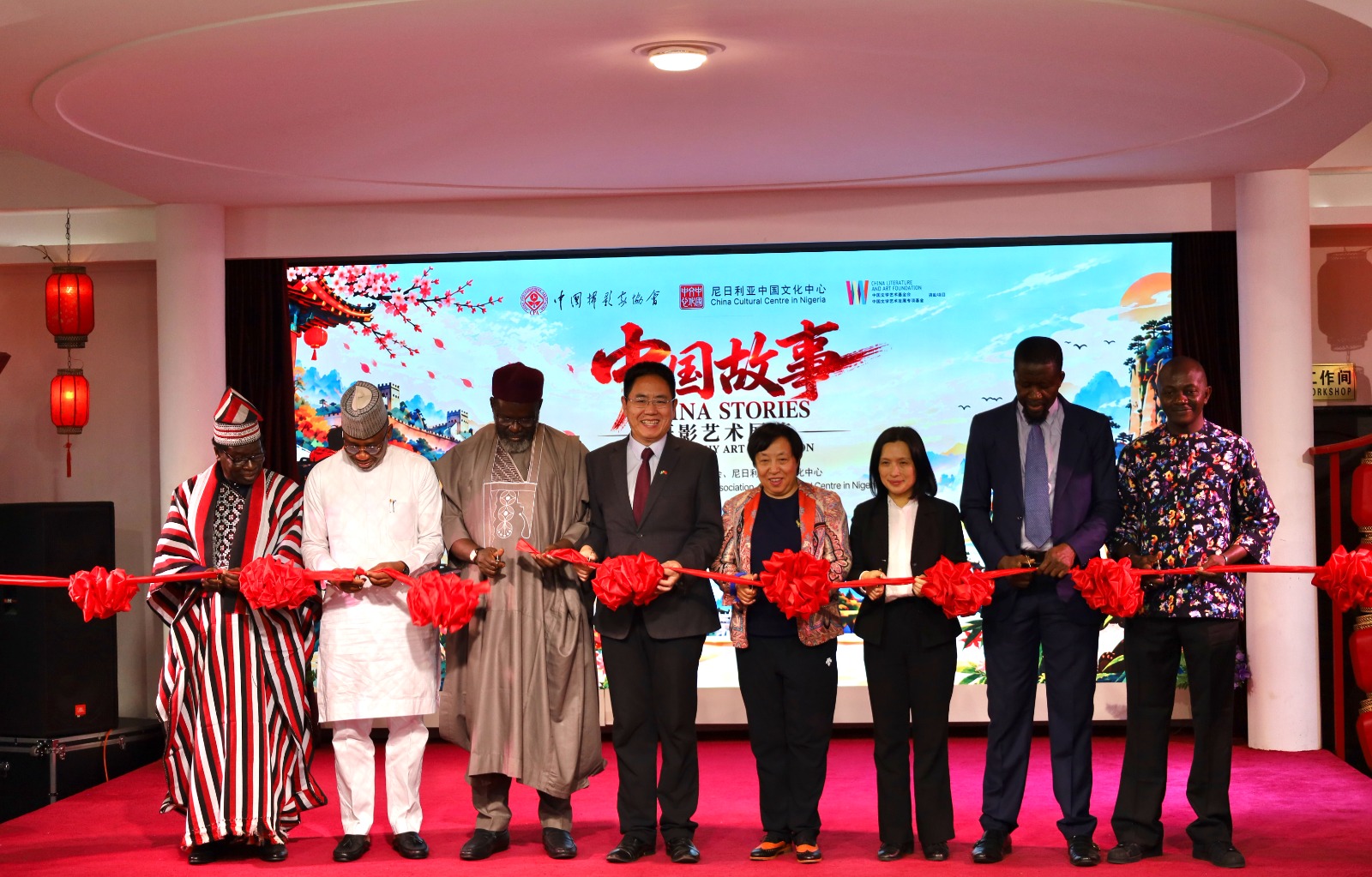
The call was made on Wednesday at the opening of the China Stories: Photography Art Exhibition, organised by the China Cultural Centre in Nigeria in collaboration with the China Photographers Association in Abuja.
The exhibition, which coincided with the 55th anniversary of diplomatic relations between Nigeria and China and the 2026 China-Africa Year of People-to-People Exchanges, brought together representatives of cultural institutions, photographers, artists and government agencies from both countries.
Speaking on behalf of the Minister of Arts, Culture, Tourism and Creative Economy, the ministry’s Permanent Secretary said the Federal Government would support initiatives aimed at promoting sustained artistic partnerships between Nigerian and Chinese creative professionals.
He described photography as an important tool for preserving history, documenting cultural heritage and communicating national identity, noting that collaborative projects would enable citizens of both countries to appreciate their respective cultures and experiences.
“Photography is more than pictures. Photography is memory. It is history. It is how a nation tells its story to the world without speaking a word,” he said.
The Permanent Secretary said partnerships between photographers from both countries would create lasting connections beyond diplomatic engagements, stressing that understanding a people’s culture requires patience, genuine interaction and appreciation of their traditions.
He assured the Chinese delegation of the ministry’s commitment to creating an enabling environment for joint creative productions, exhibitions and other cultural exchange programmes.
Also speaking, the Director-General of the National Broadcasting Commission, Ebuebu, described broadcasting as a vital instrument of cultural diplomacy, particularly with the growing influence of satellite television, streaming platforms and social media.
He noted that digital platforms had made it easier for countries to share their cultural experiences with international audiences, citing the possibility of Nigerian musical productions reaching viewers in China and Chinese documentaries finding audiences across Africa.
However, he cautioned that increased access to digital platforms must be accompanied by authentic and balanced storytelling to ensure that cultural exchanges do not become one-sided or undermine indigenous identities.
According to him, joint documentary productions, photography projects, cultural programming, exchange visits and creative industry partnerships offer opportunities for both countries to expand cooperation.
He added that such collaborations would promote cultural tourism, facilitate knowledge transfer, create economic opportunities and increase the international visibility of Nigerian and Chinese creative works.
In her remarks, a representative of the Chinese Embassy in Nigeria described photography as a powerful medium for connecting people across geographical, cultural and linguistic boundaries.
She said the exhibition was designed to showcase contemporary China, promote mutual understanding and advance the outcomes of the 2024 Beijing Summit of the Forum on China-Africa Cooperation, as well as the Global Civilization Initiative.
The diplomat highlighted China’s economic development, stating that its economy recorded an average annual growth rate of 8.9 per cent between 1979 and 2023, compared with the global average of 3.0 per cent.
She added that China’s share of the global economy rose from approximately 1.7 per cent in 1978 to 16.5 per cent in 2025, with its Gross Domestic Product reaching about 17.8 trillion dollars.
On poverty reduction, she said China’s development over nearly four decades had lifted close to 800 million people out of extreme poverty, according to World Bank data.
She attributed the country’s development achievements to sustained economic reforms and investments in education, healthcare, social security and environmental protection.
On Nigeria-China relations, the embassy representative said the 55-year diplomatic relationship had been strengthened by political support, economic cooperation and cultural exchanges.
She also highlighted China’s decision in May 2026 to introduce zero-tariff treatment for 53 African countries with which it maintains diplomatic relations, including Nigeria, describing the initiative as part of efforts to strengthen economic cooperation with the continent.
The diplomat expressed hope that stakeholders in both countries would continue working together to advance their development objectives and strengthen China-Africa relations.
The exhibition featured 40 photographic works showcasing China’s landscapes, cultural heritage, social development and traditions, offering visitors an opportunity to explore the country’s history and contemporary society.
Participants included representatives of the Federal Ministry of Arts, Culture, Tourism and Creative Economy, the National Broadcasting Commission, the Society of Nigerian Artists and the Photographic Society of Nigeria, alongside members of the Chinese delegation.
The organisers expressed optimism that the exhibition would inspire further artistic cooperation and strengthen people-to-people relations between Nigeria and China.