The National Human Rights Commission (NHRC), in collaboration with the United Nations Office on Drugs and Crime (UNODC), has emphasised the need for a public health and human rights-based approach to drug dependence treatment and care in Nigeria.
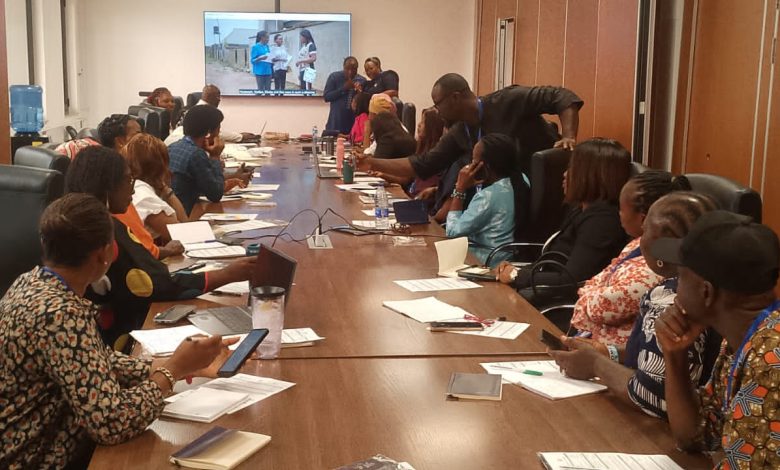
The call was made at a two-day capacity development workshop on drug prevention, treatment and care for staff of the Commission, which began on Monday, 31 August 2026 at the United Nations House in Abuja.
The training, themed “Drug Dependence as a Public Health and Human Rights Issue: Integrating Harm Reduction and Human Rights-Based Approaches to Drug Dependence Treatment, Care and Complaints Handling,” is aimed at strengthening the capacity of NHRC personnel to better understand and respond to the human rights dimensions of drug dependence.
In his opening remarks, the UNODC Country Representative, Mr Cheikh Toure, commended the leadership of the NHRC for identifying the need for capacity development and mobilising partnerships to make the training possible.
Represented by Dr. Akanidomo Ibanga, Drug Demand Reduction Focal Point, UNODC, Cheikh Toures said addressing drug use and its consequences could not be the responsibility of a single institution, stressing the importance of collaboration among government agencies, civil society organisations, development partners, communities and individuals.
According to him, the partnership between the NHRC, UNODC and Education as a Vaccine (EVA) reflects the need for a “whole-of-society response” to drug-related challenges.
“Drug use and dependence should not be viewed solely as public health concerns, as they also raise fundamental issues relating to human dignity, access to healthcare, non-discrimination and the protection of vulnerable populations.
“The training would expose participants to evidence-based approaches to drug prevention, treatment and recovery support, while also examining the human rights implications of drug policies and interventions.”
He identified key areas of focus to include evidence-based prevention strategies, treatment and recovery models rooted in science and public health, comprehensive systems of care, mental health services, social reintegration and long-term recovery support.
“The programme will also address the specific needs of women, young people, people who use drugs and other vulnerable groups who often face stigma, discrimination and barriers in accessing essential services.”
Toure stressed that effective responses to drug use must strike a balance between public health, public safety and the protection of human rights.
He said institutions such as the NHRC have a critical role in promoting this balance through advocacy, monitoring, policy engagement, public awareness and accountability mechanisms.
The UNODC representative urged participants to actively engage in the sessions and apply the knowledge gained to strengthen institutional practices and improve the protection of the rights and wellbeing of persons affected by drug use.
He reaffirmed UNODC’s commitment to supporting Nigeria in developing balanced, evidence-based, health-centred and human rights-oriented approaches to drug prevention, treatment and care.
In his welcome address, the Executive Secretary of the NHRC, Dr. Tony Ojukwu (SAN) said the workshop was particularly important because it brought together two areas central to the Commission’s mandate—the promotion and protection of human rights and the right to health.
Represented by Isioma Nwosa, Director, Economic, Social and Cultural Rights, NHRC, Ojukwu said drug dependence should not be viewed exclusively from the perspectives of law enforcement and criminal justice, noting that it also raises significant concerns relating to health, dignity, equality, non-discrimination, access to treatment and protection of vulnerable persons.
According to him, persons affected by drug dependence do not lose their fundamental human rights and must continue to enjoy their rights to dignity, health, privacy, equality, humane treatment and due process.
He said: “The Commission, under the National Human Rights Commission Act, has the statutory responsibility to promote and protect human rights, investigate alleged violations, assist victims in seeking redress and undertake programmes relevant to human rights protection.
“The workshop would strengthen the capacity of Commission officials to identify human rights concerns arising from complaints involving drug dependence and treatment.
“Such concerns, include denial or interruption of treatment, stigma and discrimination, breaches of confidentiality, lack of informed consent, inadequate access to healthcare, poor conditions in treatment and rehabilitation centres and the treatment of persons with drug dependence within detention and criminal justice settings,” he noted.
He stressed that while the Commission does not replace competent authorities responsible for determining drug policy, it has a responsibility to ensure that policies, practices and interventions are consistent with Nigeria’s human rights obligations and respect the dignity of every individual.
He commended UNODC for providing technical support and hosting the programme, while also acknowledging Education as a Vaccine for its contribution to the initiative.
The NHRC boss also recognised the role of the media in promoting public awareness, reducing stigma and encouraging informed discussions on drug dependence, treatment and care.
The two-day workshop, which runs from August 31 to September 1, is expected to deepen the understanding of NHRC staff on evidence-based drug prevention and treatment approaches, harm reduction and effective human rights-based complaints handling.