
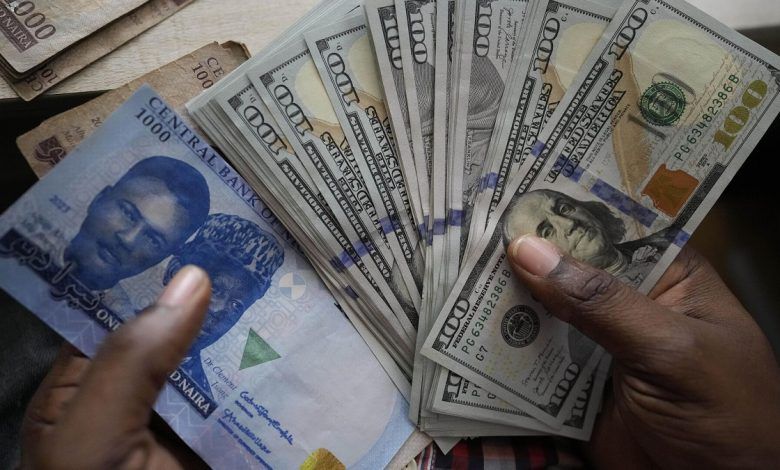
The Nigerian naira continued its downward drift on Friday, oscillating around N1625/$ in the unofficial market, despite slight gains in the official market, as renewed demand for the U.S. dollar placed further pressure on the local currency.
At the official Nigerian Autonomous Foreign Exchange Market (NAFEM), the naira closed at N1608/$1, slightly firmer than N1612/$1 recorded a day earlier, though still reflecting broader bearish sentiment. In contrast, black market rates hovered between N1625 and N1630/$, underscoring continued pressure from unmet forex demand.
FX Demand Escalates Amid Structural Imbalances
The naira’s recent volatility stems largely from intensifying demand by individuals and businesses seeking dollars to meet essential import obligations, tuition payments, and other external commitments. Despite ongoing foreign exchange reforms by the Central Bank of Nigeria (CBN), access to U.S. dollars remains constrained.
Over four consecutive trading sessions, the naira recorded mild but steady depreciation, reflecting investor skepticism about the sustainability of current policies. Analysts say the market is adjusting to a longer-term outlook of dollar scarcity and fiscal uncertainty, especially as Nigeria contends with slowing oil revenues and persistent foreign reserve pressures.
Forward Market Signals Further Weakness
Derivatives market activity highlights growing investor pessimism. Forward contract rates continue to signal expectations of further naira depreciation:
- 1-month forward: N1,646.57/$
- 3-month forward: N1,724/$
- 6-month forward: N1,837/$
- 1-year forward: N2,056/$
These rates suggest traders anticipate the naira could weaken by more than 25% over the next year.
Dollar Index Rallies on Trade Developments
Globally, the U.S. Dollar Index (DXY) surged to a near one-month high around 100.8, boosted by optimism surrounding U.S. trade deals and global economic recovery. The dollar is on course for its third consecutive weekly gain, supported by a hawkish stance from the U.S. Federal Reserve and improving risk appetite.
Fed Chair Jerome Powell reiterated that interest rates will not be cut soon, citing persistent uncertainty around trade tariffs. The recent U.S.-UK trade agreement, hailed as “historic” by former President Donald Trump, has also strengthened dollar sentiment.
The deal will see U.S. tariffs on British cars fall from 25% to 10%, while the UK opens its market further to U.S. agricultural products like beef and ethanol. British PM Keir Starmer described the agreement as a major win for the steel and auto sectors.
Trump also hinted at potential tariff reductions with China and fresh trade negotiations with the EU, adding further upside to the dollar’s outlook.
Geopolitical Risk Adds to Dollar Appeal
In addition to trade optimism, the dollar has been buoyed by ongoing geopolitical tensions including the war in Ukraine, Middle East instability, and India-Pakistan border tensions reinforcing its status as a safe-haven asset.
Outlook: Headwinds for Naira Remain
While brief rallies in Brent crude prices may offer temporary support for the naira, structural challenges persist. With forward markets pricing in continued depreciation, and investor sentiment tilted towards the dollar, policymakers in Nigeria may need to intensify efforts to shore up forex supply, stabilize inflation, and rebuild confidence.


