Iran and Oman are working towards establishing a temporary navigational corridor through the Strait of Hormuz, as efforts to resolve the wider standoff with the United States remain deadlocked.
The two Gulf neighbours have held a series of talks in recent weeks over the management of shipping through the strategic waterway, which previously carried about one-fifth of global oil and liquefied natural gas shipments.
Most commercial shipping through the strait has remained severely disrupted since the conflict began in February, with Iran and the United States pursuing competing positions over control and security in the vital maritime corridor.
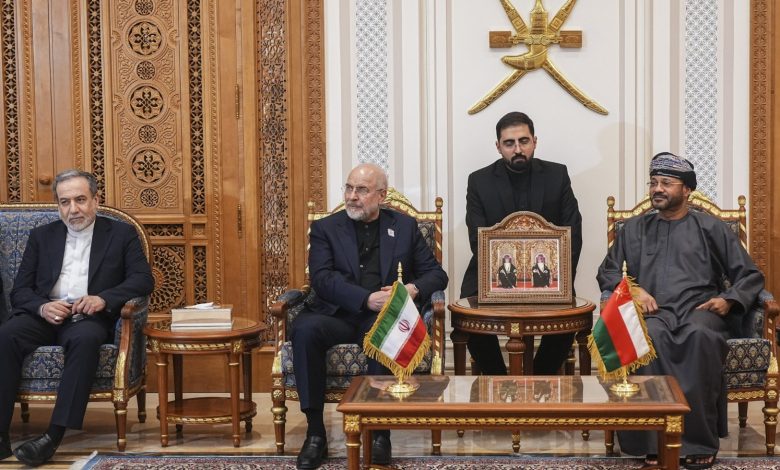
Following their latest discussions, Iran and Oman agreed to work on a temporary passage for vessels and undertake mine-clearance operations to improve navigational safety.
Omani Foreign Minister Badr Albusaidi said the two countries were hopeful of announcing practical arrangements for the temporary corridor soon.
The proposed arrangement is expected to focus on restoring safe commercial navigation while broader negotiations continue over the long-term management and security of the waterway. The two sides are also expected to pursue further technical discussions on establishing a more permanent navigation framework involving other Gulf states.
The developments have raised hopes of easing disruptions to global energy supplies. Oil prices fell sharply on Wednesday as markets responded to signs that the strait could gradually reopen.
However, significant obstacles remain. The United States has maintained pressure on Iran while insisting that the waterway must remain open to international shipping. President Donald Trump has also claimed that mines in the strait have been cleared and warned Iran against laying additional mines.
Iran, meanwhile, continues to resist arrangements it views as undermining its control over the waterway and has linked a full reopening to wider issues surrounding the conflict and US sanctions.
The Strait of Hormuz remains one of the world’s most strategically important shipping routes, making any sustained reopening potentially significant for global oil and gas markets.
For now, the proposed temporary corridor represents a limited but potentially important step towards restoring maritime traffic, even as the broader Iran-US impasse continues.