FIFA’s $1 Billion Club World Cup Set to Make Waves Despite Skepticism Over Player Workload and Fan Interest

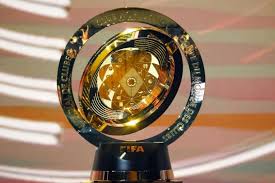
With a staggering $1 billion in prize money, the debut edition of FIFA’s expanded Club World Cup promises to be a landmark event featuring some of the biggest stars and clubs from around the globe.
The 32-team tournament, scheduled to take place across the United States from June 14 to July 13, has generated excitement but also faced criticism and skepticism since FIFA President Gianni Infantino first proposed the concept.
As a fresh addition to an already crowded football calendar, it remains uncertain whether the competition can secure a regular spot in the international schedule. Players’ unions like FIFPRO have voiced concerns about the excessive demands placed on players, warning of heavy workloads at the end of a long season with little rest before the next campaign begins.
FIFPRO cautioned at the tournament’s announcement in 2023, “Players will have to perform at the end of an 11-month season with little prospect of getting enough rest before the following season starts.”
Indeed, the competition adds to a jam-packed agenda for top players. For example, Inter Milan’s Marcus Thuram and Paris Saint-Germain’s Desire Doue played in the UEFA Champions League final on May 31 before quickly switching focus to their national teams for the Nations League finals in Germany, and now return to club duty for FIFA’s new tournament.
While the final stages—likely to feature Europe’s top clubs against South America’s finest—are expected to attract large crowds, it remains to be seen how well lesser-known teams from Asia, North America, and Africa will draw spectators during the group stage.
One such fixture, the June 17 match in Orlando between South Korea’s Ulsan Hyundai and South Africa’s Mamelodi Sundowns, will require significant marketing efforts in the U.S. to fill seats.
FIFA is banking on global broadcasters like DAZN, which is offering free streaming, combined with the star power of players like Lionel Messi, Harry Kane, and Kylian Mbappé to captivate fans worldwide.
Infantino enthused, “We are talking about something never seen before (that will) bring the magic of a national team World Cup to the club level. This tournament will be the beginning of something historic, something that will change our sport for the better and for all future generations who will come to love it as we do.”
Star players, more than clubs themselves, increasingly drive fan engagement, and their involvement is expected to generate significant social media buzz.
Europe is represented by 12 teams including Champions League winners PSG, Real Madrid, Manchester City, Chelsea, and Bayern Munich. South America’s contingent includes six clubs—four from Brazil such as Copa Libertadores champions Botafogo and Flamengo, plus Argentina’s giants River Plate and Boca Juniors.
The tournament also features local interest with three Major League Soccer teams—Los Angeles FC, Seattle Sounders, and Inter Miami—and two Mexican clubs, Pachuca and Monterrey, who should enjoy strong support in the U.S.
Africa is represented by four clubs, including Egypt’s illustrious Al Ahly, who will open the tournament on June 14 against Messi’s Inter Miami. Asia’s four teams include Saudi Arabian side Al-Hilal.
American fans are accustomed to attending pre-season friendlies featuring European clubs in NFL stadiums, so the competitive nature of this tournament is expected to draw solid crowds for marquee matches.
Concerns about the seriousness with which clubs would approach the competition were largely tempered after FIFA announced the enormous prize fund. The $1 billion pot is divided between participation fees for all teams and significant rewards for those advancing deep into the tournament, with the champion potentially earning up to $125 million.
FIFA plans to hold the tournament every four years initially, but its future frequency may depend on the reception of this first edition. Should it fail to capture fans and players’ enthusiasm, critics are likely to return, questioning its necessity. However, a resounding success could prompt FIFA to consider staging the event more frequently.