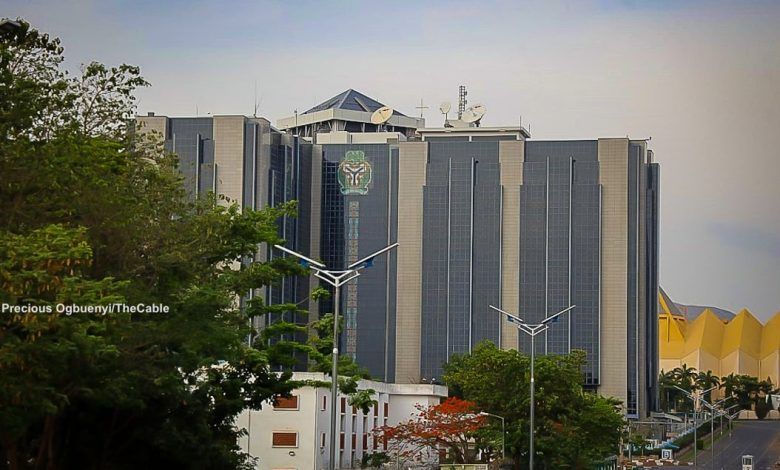
Nigeria’s external reserves have climbed to $54.08 billion, reaching their highest level since 2008 and significantly strengthening the country’s foreign exchange buffer. The increase is expected to provide additional support for the naira while improving confidence in the country’s external position and its ability to meet foreign exchange obligations.
According to the data from the Central Bank of Nigeria showed that reserves reached $54.084bn on September 3, up $1.42bn from $52.66bn on August 19. The latest increase extends a sustained build-up in the country’s external assets. Reserves have risen by $8.52bn, or 18.7 per cent, from $45.56bn recorded on January 2.
Based on the current level is the highest since December 2008, when Nigeria’s reserves stood at about $54.21bn. The acceleration has been particularly notable since late August. Reserves climbed from $53.11bn on 24 August to $53.30bn on 26 August, $53.51bn on 28 August and $53.81bn by 31 August.
They then rose to $53.90bn on 1 September and $53.99bn on 2 September before crossing the $54bn mark the following day.
Liquid reserves stood at $53.55bn, indicating that the bulk of Nigeria’s external reserves is readily available for conversion into cash and use in meeting foreign-exchange and external payment needs.
The latest reserve position is also $3.04bn above the CBN’s full-year 2026 projection of $51.04bn, suggesting that reserve accumulation has outperformed the central bank’s expectations.
The rise in reserves has coincided with improved FX liquidity and a stronger naira. The currency appreciated to N1,315/$ on Thursday, putting it on track for one of its strongest annual performances against the dollar in years, before weakening slightly to N1,321/$ on Friday.
Improved FX conditions have also been reflected in international card transactions. GTBank’s dollar card rate was around N1,332/$, while the bank increased its quarterly international card spending limit to $40,000 from $20,000.
The naira’s recent gains represent a marked turnaround from the sharp depreciation that followed the 2023 FX reforms, which saw the currency come under significant pressure amid adjustments to the exchange rate regime.
Improved dollar supply, tighter monetary conditions and CBN measures to strengthen the foreign exchange market have eased some pressure on the naira.