
Stakeholders are urging the Federal Government to establish specialised screening centres for lupus across Nigeria to enable early diagnosis and reduce the complications associated with the autoimmune disease.
At an event marking World Lupus Day 2025, organised by the Lupus Remedies Global Support Foundation in partnership with the Osobase Family and the Oluwanishola Keshinro Foundation, health experts and advocates highlighted the many challenges faced by lupus patients in the country.
They warned that the absence of dedicated screening centres is a major barrier to effective diagnosis, especially as lupus often mimics the symptoms of other illnesses, making it difficult to detect in its early stages. This diagnostic delay, they noted, increases the risk of severe health complications.
Lupus, according to the Mayo Clinic, is a chronic autoimmune disease in which the body’s immune system mistakenly attacks its own tissues and organs. The inflammation caused by the condition can affect multiple systems in the body, including the joints, skin, kidneys, blood cells, brain, heart, and lungs.
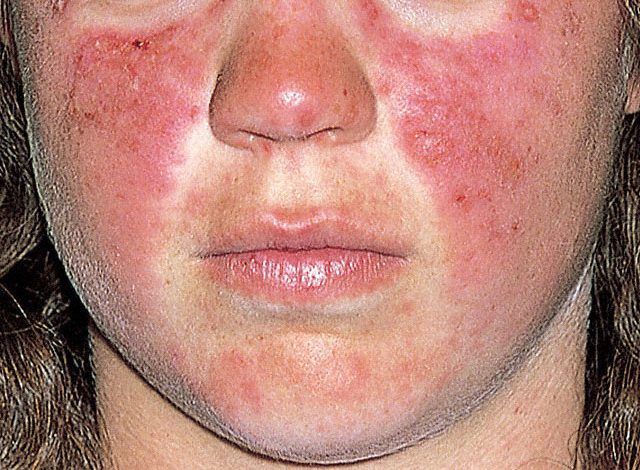
“Lupus can be difficult to diagnose because its signs and symptoms often resemble those of other conditions,” the clinic explains. “One of the most distinct signs a facial rash shaped like a butterfly across the cheeks appears in many, but not all, cases.” While some individuals are genetically predisposed to the disease, lupus can also be triggered by infections, certain medications, or sunlight. Though there is no cure, available treatments can help manage and control symptoms.
A Consultant Rheumatologist and Professor of Medicine, Femi Adelowo noted that lupus remains a poorly diagnosed condition in Nigeria due to low public awareness and limited access to specialist care. He called for greater investment in healthcare infrastructure, including the creation of lupus screening centres, to improve early detection.
Adelowo also emphasized the importance of a stronger health insurance system, noting that many lupus patients experience a cycle of misdiagnosis and financial hardship while seeking appropriate treatment.
The stakeholders concluded that addressing lupus in Nigeria requires a multifaceted approach including awareness campaigns, policy reforms, specialist training, and financial support to improve outcomes for those living with the disease.


