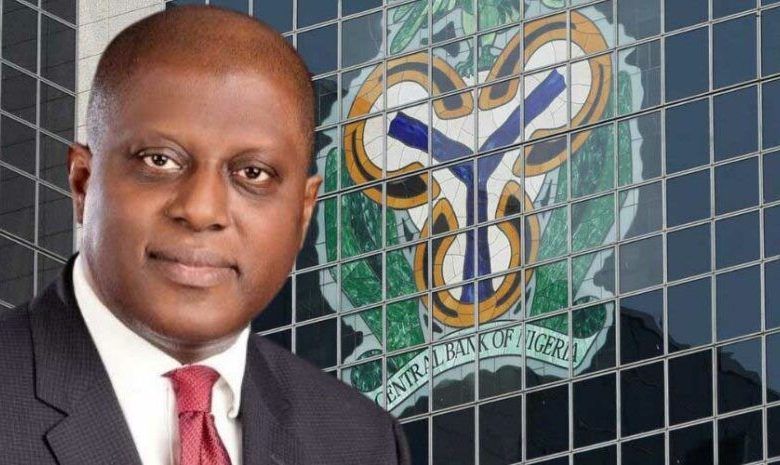
The Central Bank of Nigeria (CBN) and its Brazilian counterpart, Banco Central do Brasil, have agreed to strengthen economic and financial cooperation, with a focus on fintech innovation, payment systems, and regulatory alignment.
This was disclosed over the weekend following a series of high-level talks held between CBN Governor, Olayemi Cardoso, and Gabriel Muricca Galípolo, President of the Central Bank of Brazil, during President Bola Tinubu’s recent state visit to Brazil.
In a statement issued in Abuja, the CBN said the meeting was part of a broader working visit aimed at fostering institutional ties and technical collaboration between the two monetary authorities.
Key Focus: Payments, Remittances, and Financial Inclusion
Governor Cardoso highlighted that Nigeria is building a more resilient and inclusive financial system, aimed at attracting investments, boosting diaspora remittances, and ensuring macroeconomic stability.
“Brazil’s experience in deepening financial inclusion offers important lessons, just as Nigeria’s booming fintech ecosystem has valuable insights of its own,” Cardoso said.
He pointed to areas such as digital payments, mobile money, and cross-border remittances as key opportunities for bilateral learning and cooperation.
Cardoso also referenced Brazil’s Afro-Brazilian population the largest community of African descent outside Africa as a powerful cultural and economic bridge with the potential to boost remittance flows between the two nations.
Technical Engagements Cover Monetary Policy and Regulation
In addition to the governors’ strategic discussions, the CBN delegation held a series of technical meetings with officials from Banco Central do Brasil, focusing on:
- Monetary policy coordination
- Financial system stability
- Cross-border regulatory cooperation
The Brazilian central bank governor, Galípolo, welcomed the engagement, describing it as a step toward deeper financial stability and shared prosperity.
“We see great value in strengthening our collaboration with Nigeria, particularly as emerging economies like ours navigate shared challenges in global finance,” Galípolo said.
Background: Strengthening South-South Economic Ties
The agreement between the two central banks comes at a time when Nigeria is seeking to diversify its global economic partnerships, especially with other emerging markets.
The move aligns with President Tinubu’s broader push to leverage South-South cooperation for trade, investment, and technology transfer positioning Nigeria not just as an oil exporter, but as a regional financial hub.