SEC says reform will allow investors access to cash within 24 hours, as Nigeria pushes for faster, more competitive capital market aligned with global standards…..
Nigeria’s capital market has officially transitioned to a T+1 settlement cycle, marking a major structural reform that makes the country the first in Africa to adopt the faster settlement framework.
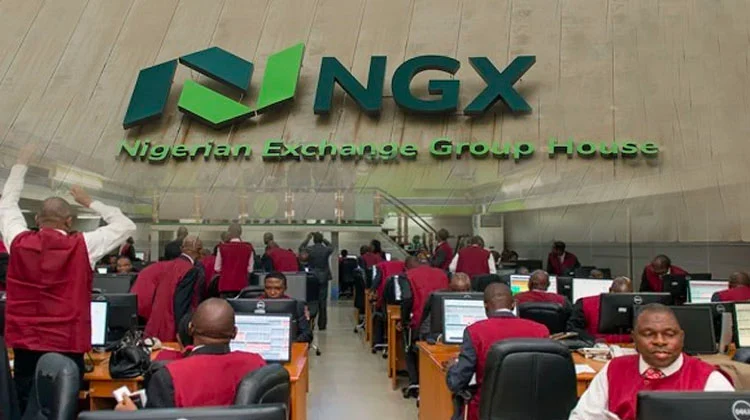
The Nigerian Exchange (NGX) confirmed the development on Monday during a transition ceremony in Lagos, describing it as a significant milestone in the ongoing modernization of the country’s financial markets.
With the shift, securities transactions will now be settled one business day after execution, meaning investors who sell shares will receive their funds the next day instead of waiting two or more days under the previous system.
Speaking at the event, the Director-General of the Securities and Exchange Commission (SEC), Emomotimi Agama, said the reform aligns Nigeria with global best practices and places its market among jurisdictions representing a significant share of global market capitalisation that have already adopted faster settlement systems.
According to him, Nigeria’s transition from T+3 to T+2 in November 2025, and now to T+1 within six months, reflects the country’s commitment to improving market efficiency and competitiveness.
Agama described the development as a structural shift that reduces counterparty risk, enhances liquidity and strengthens investor confidence in the capital market.
“The era of T+1 has begun,” he said. “What this means for a retail investor in Lagos, Kano or Port Harcourt who sells shares today is simple, their cash is available tomorrow.”
He added that the SEC is already considering further reforms aimed at a possible move toward a T+0 settlement cycle, describing it as a medium-term regulatory objective rather than a distant ambition.
According to him, Nigeria must continue to modernize its market infrastructure to remain competitive in attracting global capital.
“The SEC has already signalled its intention to continue this journey toward T+0 settlement, not as a distant aspiration, but as a near-term regulatory planning objective,” he said.
The Nigerian Exchange Group (NGX Group) said the transition reflects growing confidence in the country’s financial system and its capacity to adopt international standards that improve efficiency and investor experience.
Chairman of NGX Group, Umaru Kwairanga, said the reform demonstrates a collective commitment to building a more efficient and globally competitive capital market.
Temi Popoola, Chairman of the Central Securities Clearing System (CSCS) and Group CEO of NGX Group, described the shift as part of a broader effort to deepen liquidity and expand investment opportunities across asset classes.
He said the reform is not the final stage of market development but part of an ongoing journey toward a deeper, more resilient and more diversified capital market.
Market operators are also exploring expansion into private markets, fixed income instruments and digital assets as part of wider efforts to broaden participation and deepen market activity.
Managing Director of CSCS, Shehu Shantali, said the transition represents the culmination of years of infrastructure upgrades and planning that began in 2023 when an industry-wide committee was set up to assess readiness for shorter settlement cycles.
He noted that significant investments in digital infrastructure, cybersecurity, API integration and system automation were required to ensure a smooth transition.
According to him, the move to T+1 goes beyond speed, representing a full-scale upgrade of Nigeria’s market infrastructure designed to improve resilience, efficiency and global competitiveness.
Under the new framework, trade settlement will now occur one business day after execution, allowing buyers to receive securities and sellers to receive cash within 24 hours of a transaction.
Market authorities say the reform is expected to boost liquidity, reduce settlement risks and improve the overall functioning of the capital market, positioning Nigeria as a leading financial hub on the continent.