World Court Issues Landmark Climate Advisory, Declares Crisis an ‘Urgent and Existential Threat’

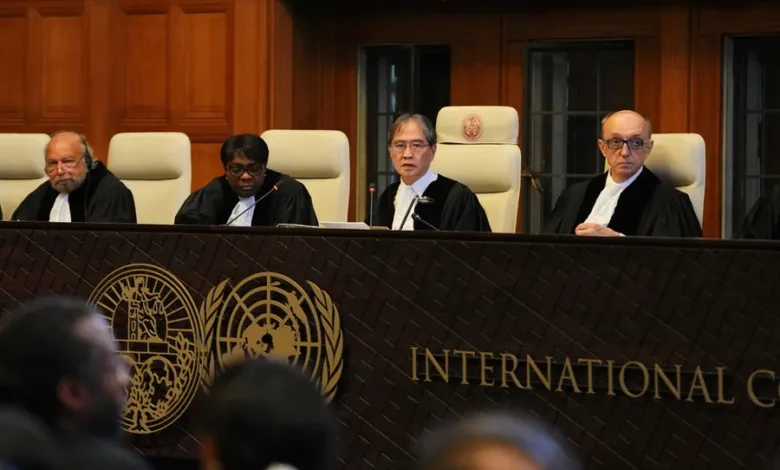
In a watershed moment for international climate law, the International Court of Justice (ICJ) has begun delivering its first-ever advisory opinion on climate change, describing the crisis as an “urgent and existential threat” to both humanity and the planet.
Speaking from the Peace Palace in The Hague, ICJ President Judge Yuji Iwasawa emphasized the profound consequences of inaction, noting that greenhouse gas emissions are “unequivocally caused by human activities” and have wide-reaching, cross-border impacts.
“The consequences of climate change are severe and far-reaching,” Iwasawa said. “They affect both natural ecosystems and human societies. These consequences underscore the urgent and existential threat posed by climate change.”
Though the Court’s final conclusions are still being delivered, its initial language has already set the tone for what observers are calling a historic legal turning point.
The proceedings follow a 2023 request by the United Nations General Assembly, driven by years of advocacy from climate-vulnerable nations—especially low-lying island states like Vanuatu.
These countries, facing existential threats from rising sea levels, are seeking international legal clarity on states’ obligations to mitigate climate change and whether major polluters can be held accountable, including through financial reparations.
While the ICJ’s advisory opinion is not legally binding, its significance is far from symbolic. Legal experts believe it will carry substantial moral and legal influence—potentially shaping international climate agreements, inspiring stronger domestic policies, and fueling future litigation to hold emitters accountable.
This is the largest case in the ICJ’s history, with judges reviewing tens of thousands of pages of legal arguments and hearing oral submissions from more than 50 states and international organizations.
The goal: to consolidate decades of fragmented environmental law into a clearer, more enforceable global standard.
“This moment transcends borders. It’s about safeguarding the future of humanity,” said a representative of the Pacific Island coalition that spearheaded the effort.
Environmental advocates and legal scholars are watching closely. Many hope the opinion will establish a firmer legal framework for climate accountability and justice—especially for nations that bear the brunt of a crisis they did little to cause.
As the ICJ edges toward the conclusion of its opinion, one message resonates globally: climate change is no longer just a policy issue or scientific debate—it is a matter of legal and ethical responsibility.