Unilateral trade policies could wipe 5% off global GDP as tariffs and restrictions reach highest coverage in 15 years….
The World Trade Organization has warned that the global trading system is entering one of its most difficult periods in decades, as rising protectionism, geopolitical tensions and growing challenges to established trade rules threaten to reverse gains made through international economic cooperation.
In its latest annual report released on Tuesday, the WTO said the rules-based trading system is facing its most serious and prolonged disruption since the multilateral framework was established about 80 years ago.
The organisation cautioned that a return to unilateral trade policies could have far-reaching consequences for the global economy, with world GDP potentially shrinking by about five percent and exports falling by 18.6 percent by 2050.
According to the WTO, the danger is not limited to the volume of goods crossing borders but extends to the broader economic benefits generated by predictable and cooperative trade relations.
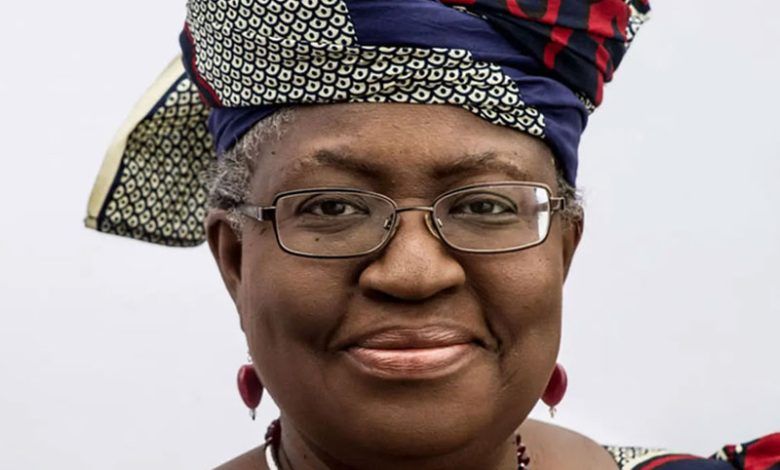
WTO Director-General, Ngozi Okonjo-Iweala, said the international trading system was being tested on a scale not witnessed since multilateral institutions were created in the aftermath of the Great Depression and the Second World War.
In the report’s preface, she said trade cooperation had helped narrow income disparities between developing and advanced economies while also contributing to greater stability and peace among member states.
Although the global trading environment has changed considerably, Okonjo-Iweala maintained that the basic principle behind multilateral trade cooperation remains relevant.
She said countries are better positioned to prosper when they work together than when they pursue isolated trade policies.
The WTO’s assessment comes against the backdrop of heightened geopolitical tensions and a sharp expansion in tariff measures, particularly following US President Donald Trump’s return to the White House in January 2025.
The organisation identified changing economic power, geopolitical rivalry and the growing use of government intervention in markets as some of the factors weakening international trade cooperation.
WTO economists examined several possible paths for the global economy and found that deeper fragmentation along geopolitical lines could reduce global GDP by approximately five percent.
Okonjo-Iweala told diplomats that the consequences could be even more severe if the WTO’s role in global trade were significantly weakened.
She said a scenario in which the organisation disappears and is replaced by a network of free trade agreements could result in losses approaching seven percent of global GDP.
The WTO chief also stressed that the economic burden of trade fragmentation would not be shared evenly, warning that smaller and poorer economies would be particularly exposed to the consequences.
Rather than allowing the system to deteriorate, she urged WTO members to strengthen areas that continue to deliver results while reforming those that no longer meet the needs of the global economy.
According to Okonjo-Iweala, decisive efforts to reinforce multilateral trade cooperation could increase global GDP by roughly three percent.
The warning comes as the WTO itself faces a decline in the share of global trade conducted under its rules.
The organisation estimates that 72 percent of world trade currently operates under WTO rules, down from 80 percent two years ago.
WTO Chief Economist, Robert Staiger, described the decline as troubling, pointing to the growing number of tariffs and other restrictions being introduced by countries.
He said new tariffs and trade restrictions now affect about 11 percent of global imports — the highest level of coverage recorded in more than 15 years.
Despite the growing pressure, Staiger said world trade has remained relatively resilient, with the rapid expansion of artificial intelligence and the huge demand for AI-related equipment providing an important boost.
He explained that the production of AI-enabling infrastructure, including servers, computers, factories and data centres, requires significant cross-border trade and investment.
However, he cautioned that the strength generated by the AI boom could be concealing weaknesses elsewhere in the global trading system.
Staiger also warned that AI-related trade remains concentrated among a relatively small number of countries, meaning its benefits are not being distributed evenly across the global economy.
The WTO is expected to release an updated forecast for global trade on October 8, as concerns continue to mount over the long-term impact of protectionism, geopolitical rivalry and the erosion of multilateral trade rules.