Minister says resilient electricity infrastructure is critical to national security, urges global investors to help transform Africa’s energy sector……
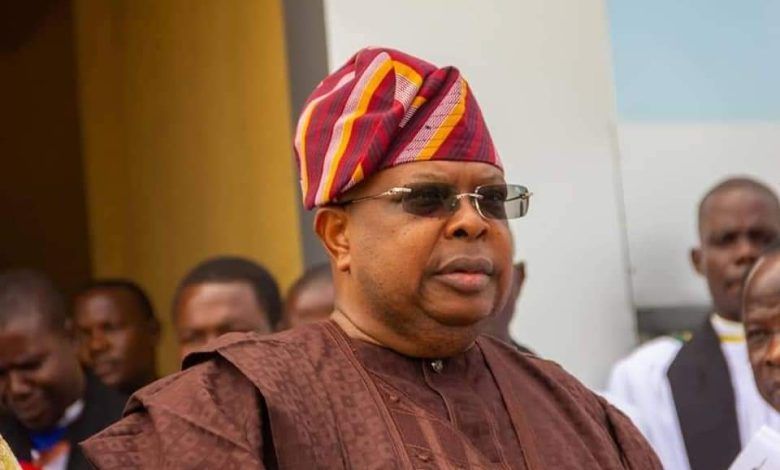
The Minister of Power, Joseph Tegbe, has called for electricity grids to be treated as a strategic component of global energy security, arguing that reliable power infrastructure is now as important as fuel supplies.
Tegbe made the call on Tuesday while delivering a keynote address at the opening plenary of the Middle East Energy 2026 Leadership Summit in Dubai.
Speaking on the theme, “Energy Security and the Effect of Geopolitics,” at the 50th edition of the summit, the minister said the evolving global energy landscape had made the resilience of electricity systems a matter of national and international security.
He said energy security could no longer be viewed solely through the availability of oil and gas reserves, stressing that countries must also consider the resilience of their wider energy systems.
According to him, such considerations must cover critical mineral supply chains, electricity grids, access to capital and the strength of institutions supporting the energy sector.
Tegbe said countries must be able to keep electricity flowing to homes, hospitals and industries even when confronted by geopolitical tensions, economic shocks and other disruptions.
He argued that the ability to maintain reliable electricity under such circumstances should be regarded as a strategic priority by governments around the world.
The minister also used the occasion to highlight Nigeria’s ongoing power sector reforms, saying the measures were designed to create the level of certainty needed to attract long-term investment into the sector.
He identified regulatory certainty, respect for contractual obligations and bankable offtake arrangements as critical elements required to make the reforms successful.
Tegbe outlined four key propositions for delegates at the summit.
He said diversification, rather than diplomatic disengagement, represented the strongest form of strategic insurance; electricity grids should now receive the same level of strategic attention historically given to fuel supplies; affordable energy should be viewed as a security concern; and the global energy transition must be orderly, just and responsive to the realities of individual countries.
The minister stressed that affordability was particularly important, arguing that energy systems could not be considered secure if citizens and businesses could not afford the electricity they need.
He also called for a global energy transition that balances climate ambitions with the economic and developmental circumstances of individual nations.
Tegbe pointed to Nigeria’s more than 200 trillion cubic feet of proven natural gas reserves as one of the country’s major assets in the global energy security debate.
He also referenced Nigeria’s two-decade record of supplying liquefied natural gas reliably to markets in Europe and Asia, saying the country had an important role to play in discussions about the future of global energy security.
The minister described the Electricity Act 2023 as the most significant reform of Nigeria’s power sector in a generation.
According to him, the legislation ended the longstanding monopoly of the Federal Government over electricity and opened the way for 37 emerging electricity markets across the federation.
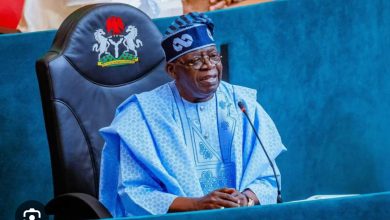
He said the reforms were being implemented under the administration of President Bola Tinubu and could offer useful lessons to other developing economies seeking to build more resilient energy systems.
Tegbe maintained that investor confidence would depend heavily on the stability and predictability of the regulatory environment.
“Capital does not flee risk; it flees uncertainty. Investors will price risk all day long; what they cannot price is a rule that changes after the contract is signed,” he said.
Turning to Africa, Tegbe said the continent should no longer be viewed as a peripheral player in global energy discussions.
He noted that about 600 million Africans still lack access to electricity, describing the continent’s energy deficit as both a major development challenge and a significant investment opportunity.
According to him, Africa’s vast mineral resources, abundant solar potential, youthful population and rapidly rising energy demand will increasingly influence global energy security decisions.
He said developments on the continent would have implications for major global centres, including London, Tokyo, Washington and Dubai, in the decades ahead.
“Africa is not at the margins of energy geopolitics; it is the fulcrum,” Tegbe said.
He called for international partnerships that move beyond the extraction of Africa’s raw resources to include local processing, manufacturing, skills development and the provision of patient capital.
The minister urged global investors and development partners to support efforts to build stronger energy infrastructure across Nigeria and the wider African continent.
“Nigeria has chosen to build. Africa has chosen to build. And we invite you, in the spirit of this remarkable city and this landmark fiftieth summit, to build with us,” he said.
Tegbe is expected to take part in additional engagements in Dubai during the week, including a ministerial fireside session focused on financing Africa’s power future under the summit’s Africa Spotlight programme.