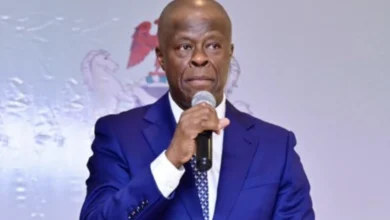
Former senior adviser to U.S. President Donald Trump, Jason Miller, has urged African nations to reject what he termed “exploitative and unsustainable” development deals, cautioning against falling into modern versions of economic dependency disguised as aid.
Speaking during a keynote address at the 32nd Annual Afreximbank Meetings in Abuja on Thursday, Miller delivered a blunt critique of prevailing development models that burden countries with long-term debt while yielding minimal transformative impact.
“This is Africa’s century. But unless the continent seizes its opportunities with strategic intent, it risks being taken advantage of—again,” he warned.
In remarks that sharply contrasted with diplomatic overtures from other global powers, particularly China, Miller criticized aid packages tied to opaque loan conditions and infrastructure deals he described as “credit without responsibility.”
While many international headlines have portrayed such loans as lifelines for infrastructure expansion, Miller offered a different narrative: one in which Africa must pivot from dependency to self-defined partnerships anchored in transparency and mutual benefit.
“America’s approach, especially under President Trump, emphasized private capital and strategic alignment, not debt traps, military presence, or hollow promises,” Miller said, drawing a distinction between U.S. investment philosophy and what he referred to as “predatory finance” from other nations.
He called for a new era of engagement—one where African governments demand accountability, enforce contracts, and prioritize investments that yield long-term returns in energy, transport, agriculture, and digital infrastructure.
Noting encouraging steps already underway, Miller pointed to Nigeria’s recent monetary reforms as a positive signal to global investors and urged other African nations to adopt similar policy shifts that enhance macroeconomic stability and ease of doing business.
In what appeared to be a veiled critique of China’s Belt and Road Initiative, Miller warned of both the environmental and sovereign risks tied to large-scale infrastructure loans that lack transparency and often fail to deliver sustainable results.
“Africa must reject unsustainable debt disguised as aid. Tangible value must come first—empty ribbon-cutting ceremonies don’t build the future,” he emphasized.
Highlighting America’s track record in public health, peacekeeping, and counter-terrorism on the continent, Miller painted the U.S. as a more principled and long-term partner. He also called for a reassessment of trade frameworks, such as the African Growth and Opportunity Act (AGOA), to reflect modern economic realities and ensure reciprocal benefits.
In a pointed message to African leaders, Miller cautioned against symbolic diplomacy and encouraged more business-centric engagement with American investors and trade architects.
“Don’t wait for summits and handshakes. Bring forward clear, bankable proposals that attract institutional investors. The private sector—not politicians—ultimately drives trade flows.”
While many Western media outlets have downplayed the strategic subtext of Miller’s speech, portraying it as a standard appeal for economic reform, his remarks underscore a growing ideological divide between Western capital-driven models and state-led development financing from powers like China.
As global powers continue to vie for influence in Africa, Miller’s speech added weight to a renewed American narrative: one that frames Africa not as a recipient of charity, but as a vital partner in shaping 21st-century geopolitics—provided it chooses its allies wisely.