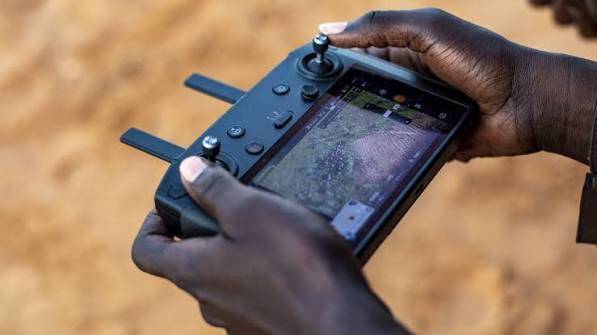
Terrorist groups operating in northern Nigeria and across West Africa and the Sahel are becoming increasingly sophisticated, with growing use of drones, advanced communications technology and cryptocurrencies to support their operations.
Addressing the UN Security Council, the Special Representative of the Secretary-General for West Africa and the Sahel, Leonardo Simão, warned that “armed groups are increasingly using drones, sophisticated communications and cryptocurrencies while coordinating operations across borders”.
He added that the threat is “acute, especially in the central Sahel and northern Nigeria”.
Simão said terrorist groups are becoming harder to contain as their activities become intertwined with transnational organised crime, aimed at expanding territorial and economic control while eroding public confidence in state institutions.
He noted that Nigeria, Niger and Burkina Faso continue to suffer terrorist attacks, kidnappings and heavy civilian casualties, with about 6.8 million people displaced and another 1.28 million living as refugees or asylum seekers.
While highlighting renewed regional cooperation, including the reopening of the Nigeria-Niger Kamba border crossing and progress on the Cameroon-Nigeria boundary agreement, Simão stressed that “military operations alone will not eliminate terrorism”.
He urged governments to address the root causes of extremism, insisting that “fighting poverty and vulnerability must remain a common objective in the broader fight against terrorism”.
The remarks came during a UN Security Council review of the political, security and humanitarian situation in West Africa and the Sahel, following the extension of the mandate of the United Nations Office for West Africa and the Sahel until January 2029.