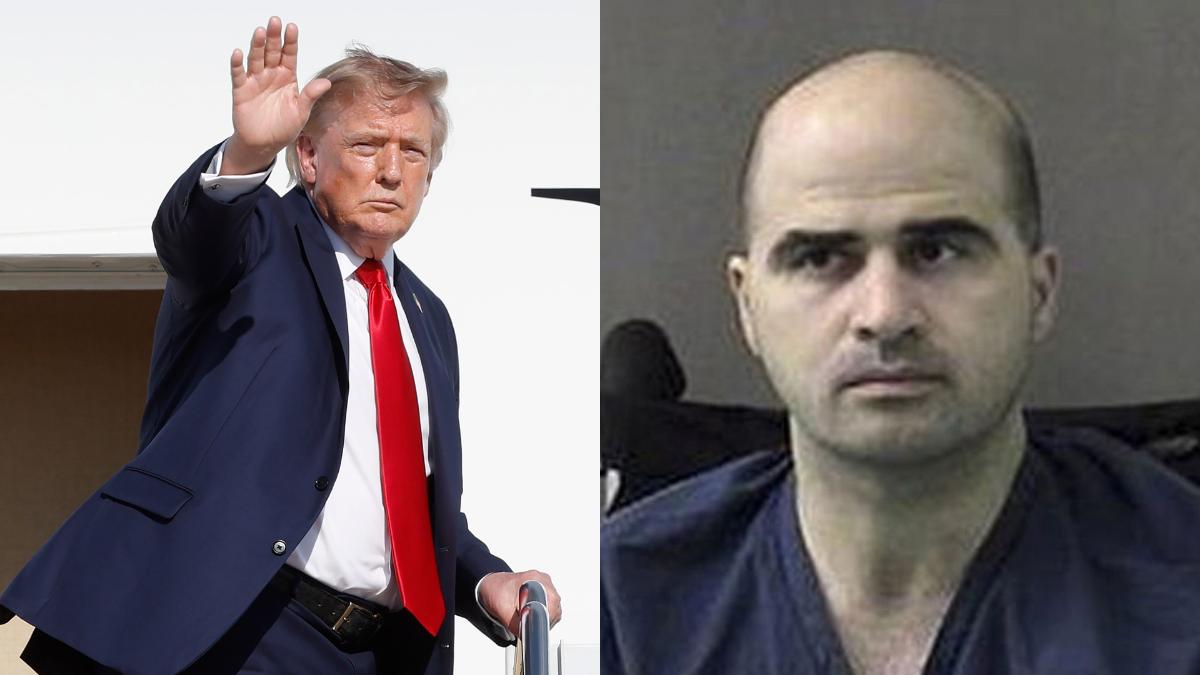
In a new turn of events, United States President Donald Trump has approved the execution by firing squad of former United States Army psychiatrist Nidal Malik Hasan, who was convicted of killing 13 people in the 2009 mass shooting at Fort Hood, Texas.
The decision, recommended by Defense Secretary Pete Hegseth, was announced by Pentagon spokesperson Sean Parnell, who said the Secretary of the Army would determine the time and location of the execution.
If carried out, the execution would mark the first time in more than six decades that the United States military has executed a service member. It would also be the first military execution by firing squad since 1945.
Hasan was sentenced to death in 2013 after a military jury found him guilty of 45 counts of premeditated murder and attempted murder in connection with the November 2009 attack.
He opened fire inside a medical facility at the Texas military base, killing 12 active-duty soldiers and a retired serviceman, while 32 others were wounded.
Hasan was shot and partially paralysed by a responding police officer before being arrested at the scene.
The attack occurred shortly before he was scheduled to deploy to Afghanistan. During his court-martial, Hasan acknowledged responsibility for the shooting, saying his actions were intended to prevent American soldiers from deploying to Afghanistan and killing fellow Muslims.
He made little effort to contest the charges and was subsequently sentenced to death.
The Trump administration had earlier expanded the range of execution methods available at the federal level to include firing squads, electrocution and nitrogen gas, alongside lethal injection.
Military executions remain extremely rare in the United States and require presidential approval under military law. The last United States military execution was carried out in 1961 by hanging.
The Secretary of the Army is expected to set the date and location for Hasan’s execution, although further legal challenges could delay the process.