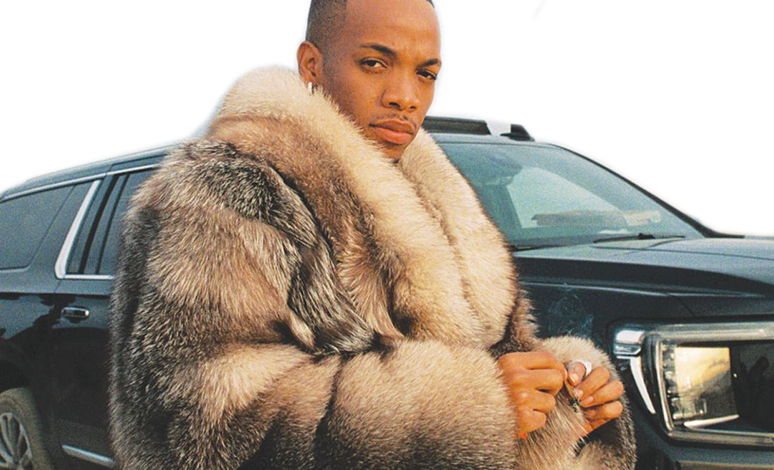
Afrobeats singer Austine Kelechi, popularly known as Tekno Miles, has weighed in on the growing “brain-rot content” trend, arguing that highly intellectual material no longer resonates with Nigerian audiences.
The Pana hitmaker shared his view during a recent interview with Yanga FM Lagos, where he discussed the type of content that attracts viewers in Nigeria.
According to Tekno, entertainment does not necessarily have to be intellectually demanding to appeal to an audience.
He argued that people often engage more with content that makes them laugh or provides simple amusement than material centred on intelligence.
“Intellectual no dey work again. Wetin I go do with your intellect?” the singer said.
Tekno cited skit maker Carter Efe as an example, saying he could spend hours watching his comedic content because of its deliberately goofy nature.
The singer also drew comparisons with popular Nollywood comic characters and performers from an earlier generation.
He referenced actors Nkem Owoh, popularly known as Osuofia, and the late John Okafor, widely known as Mr Ibu, saying their appeal was largely rooted in their comic and exaggerated performances.
“Back in the day, when you dey watch Osuofia and Mr Ibu, wetin make you been like them? No be the mumu wey dem dey mumu?” he said.
Tekno’s comments come amid growing discussion around the type of content gaining traction among Nigerian audiences, particularly short-form videos and deliberately absurd or low-context entertainment often described online as “brain rot” content.
The trend, also referred to in some Nigerian online circles as “Olodo Uprising,” has generated debate over whether viral entertainment is becoming increasingly detached from educational or intellectually stimulating content.
For Tekno, however, entertainment is primarily about connecting with an audience, and he believes content does not have to be intellectually complex to achieve that.
His comments have since added another perspective to the wider conversation about changing audience tastes and the kind of content that thrives on Nigeria’s increasingly digital entertainment landscape.