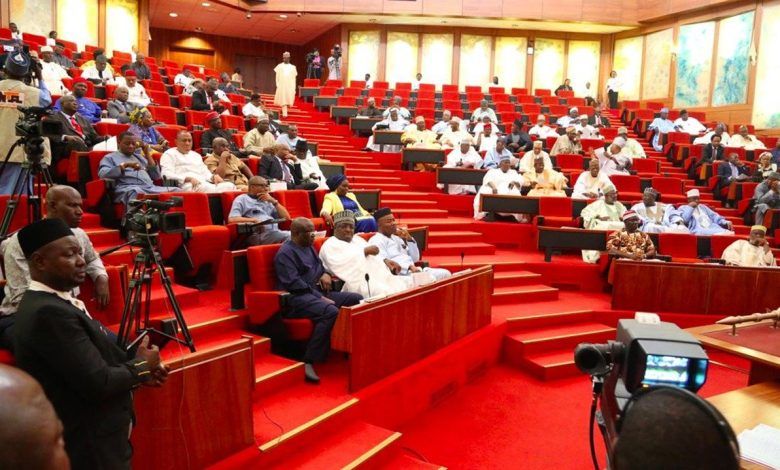
In a decisive move to combat escalating insecurity, the Nigerian Senate has called on President Bola Tinubu to promptly assent to the Nigerian Forest Security Service (Establishment) Bill, 2025.
The legislation, recently passed by the National Assembly, is designed to bolster security, particularly in vulnerable forested and rural areas, and is currently awaiting the President’s approval.
The Senate’s resolution follows urgent motions sponsored by Senate Minority Leader Sen. Abba Moro and Sen. Sunday Karimi condemning the violent abduction of His Royal Highness, Oba James Dada Ogunyanda, the Obalohun of Okoloke in Kogi State.
The monarch was kidnapped in a brazen midnight raid on May 15, where gunmen stormed his palace, firing gunshots before forcibly taking him to an undisclosed location. This incident starkly highlights the worsening security challenges facing Nigeria.
Further deepening concerns, Sen. Moro briefed the chamber on coordinated attacks by suspected Fulani herdsmen targeting communities in Benue State. The assaults on Akpete and Ojantele in Apa Local Government Area in early May resulted in over a dozen fatalities, underscoring the urgent need for effective security interventions.
The Senate stressed the importance of the Forest Security Bill as a strategic framework to complement President Tinubu’s proposed Forest Guard initiative, which aims to address the security vacuum in Nigeria’s forest belts. Lawmakers called for immediate deployment of all available security resources for the safe rescue of the kidnapped monarch and to curb further violence in affected regions.
In a separate but equally significant development, the Senate passed a bill mandating that Ministries, Departments, and Agencies (MDAs) prioritize local automobile manufacturers and indigenous companies in their procurement processes.
This move, championed by Sen. Patrick Ndubueze, received robust support on the Senate floor, with Deputy Senate President Barau Jibrin highlighting its economic and patriotic benefits.
“There is a growing national demand for government patronage of locally made products. This is not only an expression of patriotism but also a sound economic strategy,” Jibrin remarked. “Supporting indigenous manufacturers will stimulate economic growth, create jobs, and reduce Nigeria’s dependency on imports.”
The bill aims to strengthen Nigeria’s manufacturing sector, promote job creation, and curb capital flight by ensuring government agencies lead by example in supporting homegrown industries—particularly the automobile sector.
This legislative agenda by the Senate signals a dual commitment: to restoring security in troubled regions and to fostering economic resilience through local industrial growth, both critical priorities in President Tinubu’s administration.