Ruto Signs Finance Act 2025 into Law, Eases Tax Burden and Courts Investment

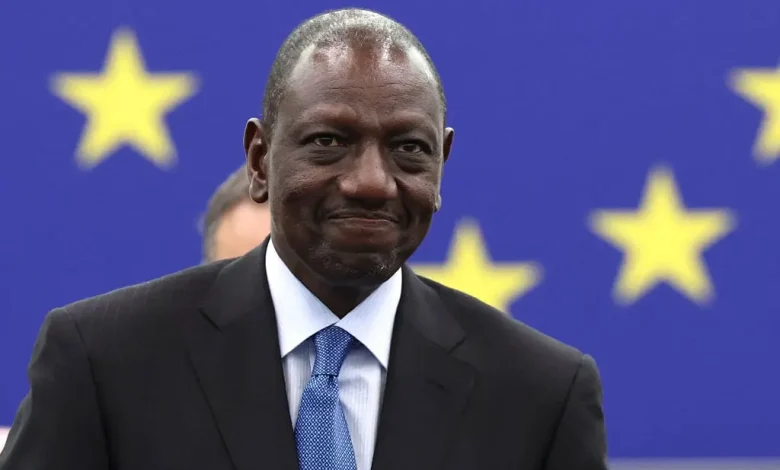
President William Ruto has signed the Finance Bill 2025 into law, ushering in a wave of fiscal and administrative reforms designed to bolster Kenya’s investment climate, streamline tax collection, and provide relief to ordinary citizens—particularly salaried workers and retirees.
The Finance Act 2025, which received presidential assent on June 26, marks a shift from the widely criticized Finance Act 2024, avoiding sweeping new taxes and instead focusing on restructuring existing tax laws to encourage economic growth and improve public trust.
Tax Relief for Salaried Workers: Employers will now be required to automatically apply all relevant tax reliefs, deductions, and exemptions for employees—aimed at easing compliance and reducing the tax burden.
Boost for Daily Allowances: The tax-free daily subsistence allowance has been increased fivefold, from KSh 2,000 to KSh 10,000, benefitting traveling employees and civil servants.
Pension Relief: Retirement benefits, including pensions and gratuities, are now fully exempt from income tax, offering much-needed relief to Kenya’s aging workforce.
Startup and Investor Incentives: The Act introduces a reduced 15% corporate tax for startups (for the first 3 years) and for large investors (over KSh 3 billion investment) for a 10-year period—a move aimed at stimulating both domestic and foreign investment.
In a strategic pivot, the law repeals the controversial Digital Asset Tax introduced last year, replacing it with a 5% excise duty on transaction fees levied on virtual asset providers—a move that aims to regulate the sector without stifling innovation.
In addition, Capital Gains Tax has been slashed from 15% to 5% for high-value investments, a clear incentive for long-term investors and portfolio growth.
The new law authorizes the government to draw KSh 1.88 trillion from the Consolidated Fund for the 2025/2026 fiscal year. It also permits the use of an additional KSh 671.99 billion from internally generated revenues by ministries, departments, and agencies.
Unlike its predecessor, the 2025 Finance Act takes a softer fiscal approach, focusing more on efficiency and innovation than aggressive revenue-raising. Notably, it avoids imposing new or expanded taxes that were met with nationwide protests in 2024.
In a notable concession to public concern, Parliament removed a clause that would have granted the Kenya Revenue Authority (KRA) unrestricted access to personal data.
The decision follows intense civil society advocacy and reflects a more responsive legislative tone compared to last year’s deeply divisive budget process.
Meanwhile, President Ruto has called on Kenyans to “embrace the spirit of innovation and accountability,” as the country charts a more sustainable and inclusive path forward.