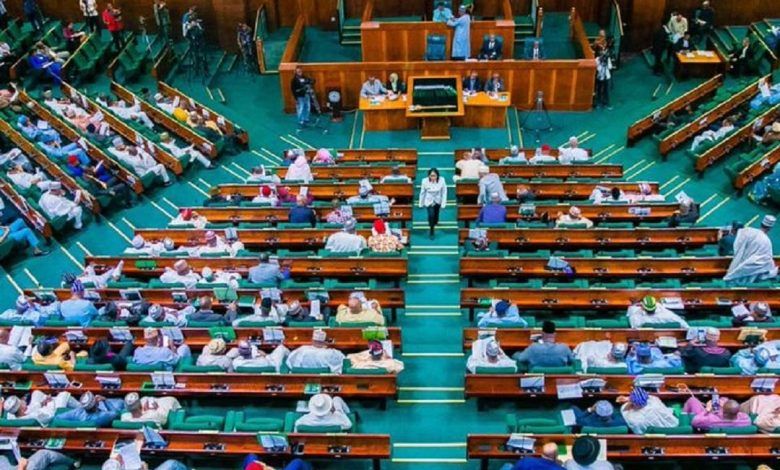
The House of Representatives has launched an investigation into the disbursement and utilization of the N200 billion loan provided by the Central Bank of Nigeria (CBN) for the National Mass Metering Programme (NMMP). This probe is specifically aimed at understanding how the funds were managed and whether they were used effectively by Electricity Distribution Companies (DISCOs).
The announcement was made by Uchenna Okonkwo (LP-Anambra), the Chairman of the House Committee, in a statement issued on Wednesday in Abuja. A 19-member committee has been inaugurated to carry out the investigation.
Purpose of the Investigation
Okonkwo explained that the investigation’s primary goal is to examine the NMMP, which was launched in 2020. The programme was meant to facilitate the provision of electricity meters to Nigerian consumers free of charge, with the CBN partnering with the Nigeria Electricity Regulatory Commission (NERC) and other key stakeholders in the Nigerian Electricity Supply Industry (NESI).
The initiative aimed to address conflicts between electricity users and distribution companies, eliminate arbitrary billing, close metering gaps, and improve network monitoring. The programme was designed to be implemented in three phases, ultimately aimed at reducing collection losses and improving market remittances within the industry.
Concerns Raised
During the pilot phase of the programme in 2020, CBN allocated N59.280 billion for the procurement and installation of one million meters at an interest rate of 9%, with a two-year moratorium. However, preliminary findings suggest discrepancies in the funds released and the meters installed. It was discovered that only N55.4 billion was disbursed, and 962,832 meters were installed, rather than the one million meters initially announced by the CBN.
Another issue that has come to light is the repayment status of the loan. The eleven Electricity Distribution Companies that received the loan have reportedly paid back only a portion of the N54.4 billion loaned to them, without any clear indication of how the 9% interest on the loan has been handled. This raises concerns about the transparency and management of the funds.
Okonkwo emphasized that the House of Representatives is particularly concerned with the lack of progress in Phase 1 and Phase 2 of the NMMP. The first phase, which was to be funded by CBN and Deposit Money Banks (DMBs) for the procurement of 1.5 million meters, and the second phase, to be funded by the World Bank for the installation of 4 million meters, have not seen any notable developments.
Legislative Action
In light of the above concerns, the House of Representatives has decided to exercise its constitutional powers under Sections 88(1) and (2) of the 1999 Constitution to establish a sub-committee. This sub-committee will investigate how the N200 billion loan was disbursed and whether it was utilized for its intended purpose.
The committee members include:
- Rep. Obed Shehu
- Rep. Ali Shettima
- Rep. Abel Fuah
- Rep. Salisu Koko
- Rep. Ahmed Munir
- Rep. Sani Umar Bala
- Rep. Gbefwi Jonathan
- Rep. Abdulmaleek Danga
- Rep. Chinedu Obika
- Rep. Okunlola Lanre
- Rep. Abass Adekunle
- Rep. Akinosi Akanni
- Rep. Obuzor Victor
- Rep. Peter Akpanke
- Rep. Ngozi Lawrence
- Rep. Ogah Amobi Godwin
- Rep. Ikeagwuonu Onyinye, among others.
Moving Forward
Okonkwo highlighted the economic and social implications of the NMMP’s current status, stressing that the investigation would help ensure transparency, accountability, and proper management of public funds. The investigation is expected to shed light on the effectiveness of the CBN loan and its role in Nigeria’s broader goal of improving the electricity supply and distribution systems.