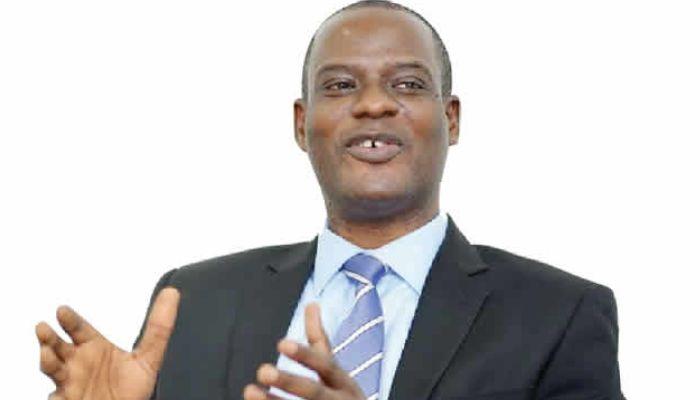
Oyedele explains: Religious institutions are tax-exempt, but workers they pay are not
The Chairman of the Presidential Committee on Fiscal Policy and Tax Reforms, Taiwo Oyedele, has clarified that pastors, imams and other religious workers are required to pay tax on the salaries they earn from religious institutions.
Speaking on the podcast Mic On, Oyedele explained that while churches, mosques and similar faith-based organisations are exempt from paying tax, the exemption does not cover individuals employed by them.
“So what the law says is that the church and the mosque will not pay tax unless they start doing business as an institution or organization. But anybody they pay, whether it’s the pastor, whether it’s the choir… these people are just working, it just happens they are working in God’s vineyard,” he said.
‘They are not different from other workers’
Oyedele stressed that religious workers should not be viewed differently from any other professional who earns an income.
“They are not different from the other person. The person who is selling food, you don’t think they’re doing the work of God? The farmer who goes to the farm so we can eat is doing the work of God,” he stated.
He added that the Nigerian constitution places a responsibility on every citizen to declare their income honestly and pay applicable taxes.
New tax thresholds coming in 2026
Oyedele also highlighted how the government’s upcoming tax reforms will adjust obligations based on income levels:
- Low-income earners will be exempt from paying tax starting next year.
- Middle-income earners will see reduced tax rates.
- High-income earners will pay more under the new regime.
He emphasised that religious leaders fall under the same rules as everyone else.
“So the way everybody pays… the only difference is if that amount you are getting is below the threshold for taxation, you are exempted whether you’re an imam, a pastor, or you don’t believe in God. The moment you exceed that point as an individual, you will pay tax. We can’t create a society where some religions are treated as superior to others,” he said.
Part of broader reforms
The clarification comes as the Federal Government intensifies fiscal reforms aimed at broadening the tax net, improving compliance and promoting fairness.
Oyedele has continued educating Nigerians ahead of the new tax regime scheduled to take effect in January 2026. He recently revealed that Nigeria has partnered with over 100 countries to gather financial data on remote workers to enforce tax compliance.
Speaking during a webinar organised by the National Orientation Agency titled “Simplifying Nigeria’s Tax System”, he addressed concerns about digital economy taxation, stressing that every Nigerian remote worker must declare income earned locally or internationally.