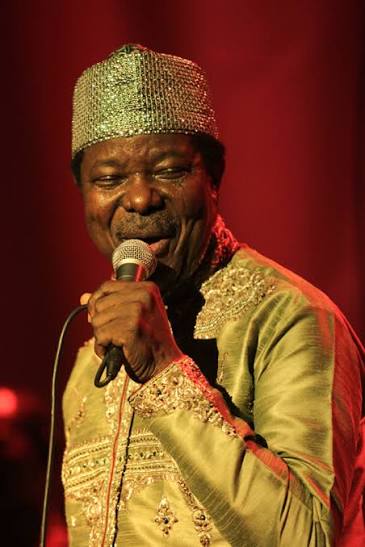
King Sunny Ade, one of Nigeria’s most celebrated Juju musicians, clocks 80 on Tuesday, marking more than six decades of a career that carried the Yoruba-rooted genre to international audiences.
Born Sunday Adeniyi Adegeye on September 22, 1946, the musician has built a reputation as a singer, songwriter, guitarist, bandleader and multi-instrumentalist.
His journey in music began in the 1960s before he went on to establish his own band and develop the sound that would make him a major figure in Nigerian music.
From Juju stages to the world
Ade became internationally recognised in the early 1980s after signing with Island Records, releasing Juju Music in 1982 and Synchro System the following year.
Synchro System earned him a Grammy nomination for Best Ethnic or Traditional Folk Recording in 1984, making him one of the earliest Nigerian musicians to receive such recognition from the Recording Academy.
His Grammy history did not end there. His album Odu received another nomination, this time for Best World Music Album, at the 41st Grammy Awards in 1999.
Ade’s international success helped draw greater attention to Juju music outside Nigeria at a time when African popular music was still seeking a wider global audience.
A distinctive sound and stage presence
The musician became known for an elaborate band setup that combined guitars, percussion and traditional Yoruba musical elements.
His performances also reflected his background as a dancer, with coordinated movement becoming part of the presentation of his large ensemble.
That combination of musicianship, rhythm and stagecraft helped distinguish Ade from many of his contemporaries and became an important part of his public identity.
A catalogue that endured
Among the records associated with his career are Juju Music, Synchro System and Odu, albums that helped establish his international profile.
His songs have also continued to circulate beyond their original era, keeping his work familiar to successive generations of Nigerian music listeners.
Ade’s career has spanned major changes in the music industry, from analogue recording and physical albums to the digital and streaming era.
Yet his musical identity remains closely tied to Juju, a genre deeply connected to Yoruba musical traditions and Nigerian social life.
The legacy at 80
Ade’s 80th birthday offers an opportunity to reflect not only on his longevity but also on the place of Juju in Nigeria’s musical history.
He belongs to a generation of musicians who built careers around live bands, extended performances and instrumental arrangements at a time when recorded music operated very differently from today’s streaming-driven industry.
His career has also placed him among the Nigerian musicians who established international recognition before the global expansion of contemporary Afrobeats.
At 80, King Sunny Ade remains a reference point in discussions about Nigerian music’s journey from local stages to the international concert circuit.
More than six decades after he began, the Juju maestro’s catalogue continues to preserve a significant chapter of Nigeria’s musical heritage.