Israel’s New Parliament to Be Sworn In as Rival Leaders Battle to Form Government

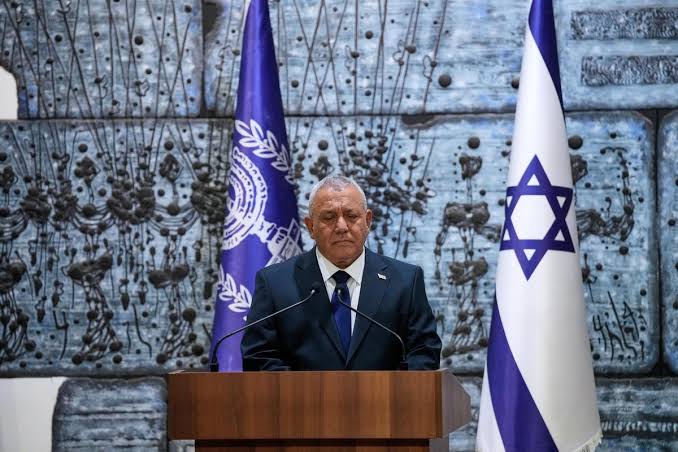
Israel’s political future hangs in the balance as newly elected lawmakers prepare to take their seats, with opposition leader Gadi Eisenkot facing a difficult battle to end Benjamin Netanyahu’s grip on power and assemble a new governing coalition.
Israel’s new parliament, the Knesset, is due to be sworn in on Tuesday, following an election that left both major political blocs short of the numbers needed to govern independently.
Eisenkot, leader of the centrist Yashar party, has been given 28 days by President Isaac Herzog to form a government, with a possible two-week extension.
He secured the backing of 67 lawmakers, compared with 46 for Netanyahu, despite his four-party alliance winning only 48 seats against the caretaker prime minister’s 53.
His biggest challenge will be reconciling sharply divided political interests, particularly over military conscription, national identity and the role of Arab-led parties in government.
The election produced a historic breakthrough for Israel’s Arab political blocs, with the United Arab List and Joint List securing a combined 19 seats after a significant increase in Arab voter turnout. Their numbers could prove decisive, although Netanyahu has ruled out working with them, while some of Eisenkot’s potential partners oppose relying on their support.
In outlining his proposed national emergency government, Eisenkot set four conditions for prospective partners: commitment to Israel as a Jewish and democratic state, acceptance of its founding declaration, compulsory national or civilian service for all communities, and support for dismantling Hamas’s military and governing structures.
Those demands could complicate negotiations with both Arab and ultra-Orthodox parties. The latter, particularly Shas and United Torah Judaism, which hold 13 seats combined, strongly oppose ending exemptions that allow full-time religious students to avoid military service.
While the United Arab List has expressed willingness to join an Eisenkot-led coalition, the Joint List has offered support from outside government.
However, Avigdor Lieberman’s Yisrael Beiteinu party has rejected the idea of backing a minority administration dependent on Arab lawmakers.
Netanyahu, Israel’s longest-serving prime minister, is meanwhile pushing for a national unity government under his leadership, warning against any administration that relies on Arab parties.
He will remain caretaker prime minister until a new government is formed, a process that could take weeks or even months.
The parliamentary transition therefore opens a fresh period of political uncertainty, with coalition negotiations set to determine whether Eisenkot can build a viable majority or Netanyahu can retain power despite his bloc falling short.