Former Thai PM Thaksin on Trial for Royal Defamation Amid Daughter’s Suspension

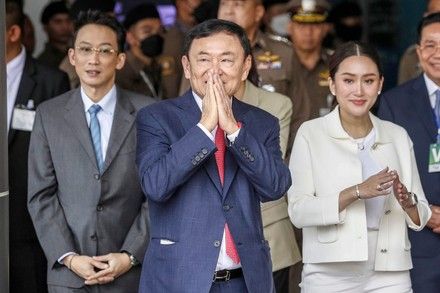
Former Thai leader Thaksin Shinawatra has testified in court, seeking to defend himself against royal defamation charges that could land him 15 years in prison, just weeks after his daughter Paetongtarn Shinawatra was suspended as prime minister.
The case revolves around comments Thaksin allegedly made during a 2015 interview with South Korean media.
Prosecutors argue the remarks violated Thailand’s draconian lèse-majesté laws, which criminalize any perceived insult to the monarchy. These laws—among the most severe in the world—have drawn international criticism for their growing use as a political weapon.
Now 75, Thaksin is expected to testify over several days, with a verdict anticipated in the coming weeks. His lawyer, Winyat Chatmontri, confirmed to AFP that testimony began on Wednesday and would continue throughout the day.
The timing of the trial has reignited debate over the long-running struggle between Thailand’s populist political movements and its entrenched royalist-military establishment.
Thaksin, a former telecom tycoon, swept to power in the early 2000s on a populist platform that galvanized Thailand’s rural electorate. After two election victories, his government was toppled in a 2006 military coup, prompting him to live in exile for 15 years.
He returned to Thailand in August 2023—on the same day the Pheu Thai Party, now led by Paetongtarn, formed a coalition government with former conservative foes.
The synchronized political and personal comeback fueled widespread speculation of a behind-the-scenes deal intended to secure Thaksin’s safe return and protect him from prosecution.
That narrative, however, appears to be unraveling.
Just two weeks ago, Paetongtarn Shinawatra was suspended as prime minister amid unresolved legal questions, deepening the family’s political turmoil. With Thaksin now facing one of the most sensitive trials in recent Thai history, the Shinawatras find themselves at the center of a renewed institutional pushback.
Outside the courthouse in Bangkok, around 50 supporters rallied in red shirts—the symbol of Thaksin’s grassroots political base, known as the “Red Shirt” movement. Many displayed his portrait and voiced support despite the legal headwinds.
“He is a very talented man,” said 79-year-old retired accountant Vaew Wilailak. “But from past experience, bad people just want to get rid of him.”
The case has again drawn attention to the use of lèse-majesté laws to suppress political dissent. While Thai authorities insist they are defending the monarchy, human rights groups and foreign governments have condemned the law’s sweeping reach and opaque enforcement.
As the courtroom drama unfolds, so too does the future of Thailand’s most polarizing political dynasty—highlighting the delicate balance between monarchy, military power, and democratic aspirations in Southeast Asia’s second-largest economy.